What actually decides how long a mooring rope lasts
Mooring is where the highest stored energy on the vessel is handled by people standing close to it, and a rope that has quietly lost strength gives no warning before it fails. Keeping mooring ropes in the best possible working condition keeps the crew and dock workers safe, makes the operation more cost effective over the long term, and reduces the amount of material released into the ocean.
What follows are the nine practices that determine whether a rope reaches the service life it was built for. They are grouped here by what they are actually about, which is not the order most people meet them in.
Four of the nine are not about the rope
More than half of what shortens a rope's life happens outside the rope. Deal with these four and the remaining five become far easier to hold to.
Regularly maintain mooring winches and fittings
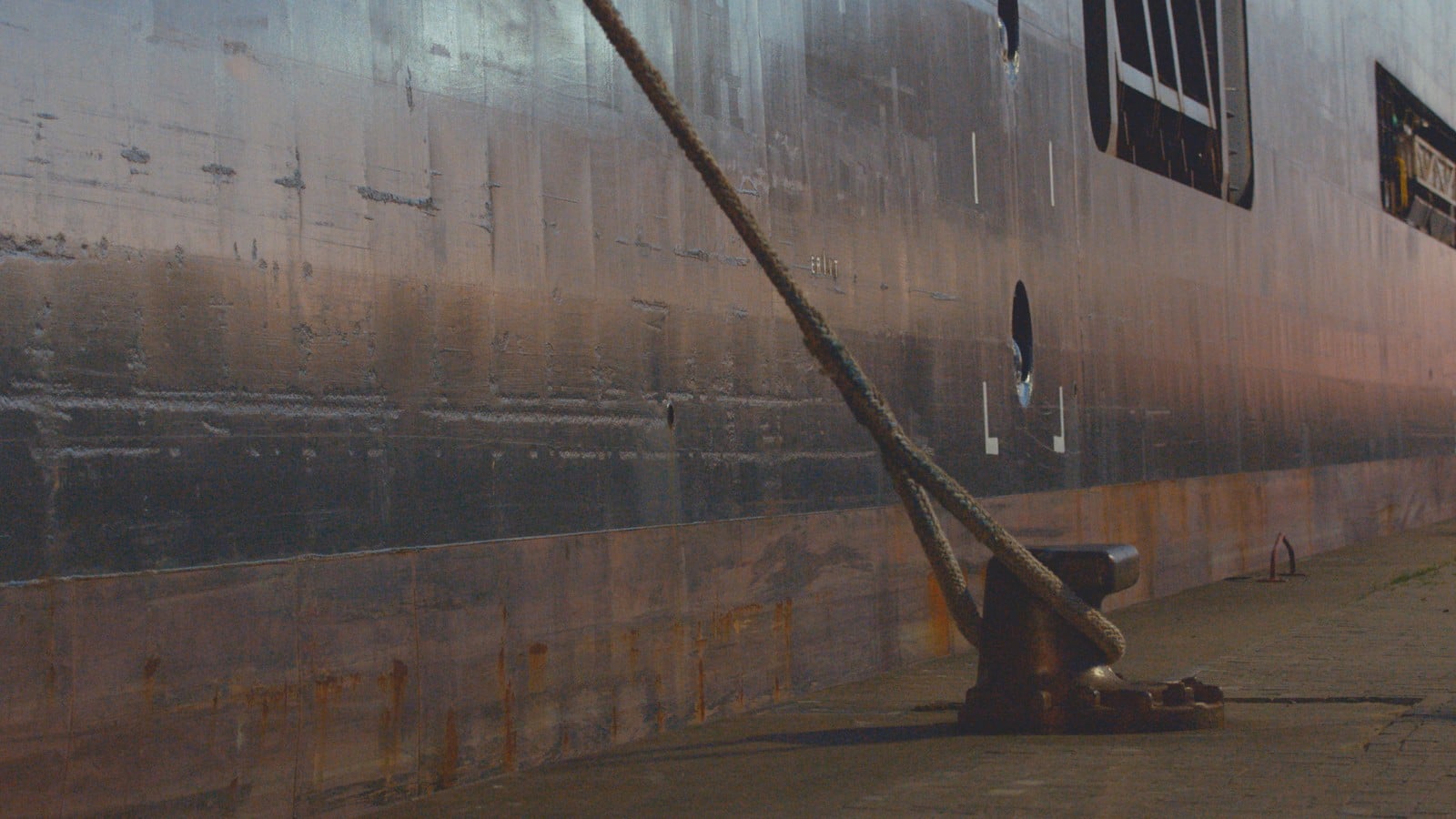
Maintaining a smooth surface on mooring winches and fittings, such as mooring bits, bollards, fairleads, Panama chocks and rollers, is key to prolonging a rope's lifespan. Sharp edges and rust damage the rope and cause cuts, pulled strands or yarns. Debris from rust and iron may also penetrate the rope and cause further damage.
This is the least glamorous item on the list and the one with the highest return. A rope correctly specified for the vessel's loads will still fail early if it spends its working life running over a corroded chock.
Consider rope protection
Where the wear point cannot be removed, cover it. Rope protection can prevent or limit damage to mooring ropes, and there are several solutions: a braided protective jacket, applied either over the entire length or over the sections that take the abuse, or a form of chafe protection such as the Timm Chafe Guard, which is purchased separately.
Protection is worth specifying at the point of purchase rather than after an inspection finds damage. By then the rope has already spent part of its life.
Keep ropes covered and away from sunlight when not in use
Ultraviolet degradation is a very common occurrence, and it is cumulative. Covering ropes when they are not in use gives them the best possible protection from UV rays. Worth knowing: indirect UV rays may still cause deterioration, so a rope kept under shade is better off than one in direct sun but is not protected.
Do not store ropes with chemicals
Certain chemicals can damage ropes beyond recovery, and the damage is not always visible from outside. It is highly recommended to keep all types of chemicals away from ropes as a standing rule rather than as a judgement made at the time of stowage.
Three are about how the line is used
Installation should be carried out by experienced crew, according to the manufacturer's instructions
Incorrectly installed ropes have a high risk of becoming twisted. Twisting can cause a mooring rope to weaken by as much as 6% per turn per metre, and this may become a safety hazard for the crew and port workers.
That is a large penalty for something that costs nothing to avoid. The instructions exist because construction differs between products, and installation habits carried over from a previous rope are one of the more common ways a new rope begins its life already compromised.
Handle ropes with care and follow the manufacturer's recommendations
The same principle applied daily rather than once. Correct handling keeps the ropes in the best possible shape and lays the foundation for a long-lasting rope. Most of what shortens rope life is not a single dramatic event but a series of small ones that nobody logged.
Use the same type of ropes and tails on all positions where they are working in parallel
Ropes from different manufacturers may have slightly different elongations. Ropes working in parallel must be of the same model, construction, material, running time and condition, used or new, to prevent one of the two ropes from bearing the whole load.
This is the point most often broken during a partial replacement, when one damaged line is swapped out and the rest of the set is left in place. It is also the reason a broad product range matters operationally: a like-for-like replacement is only possible if the equivalent product exists.
Two are about how you decide the rope is finished
Conduct regular inspections, by crew and by third parties
Rope inspections can help reveal stress, damage or wear on mooring ropes, and help prevent accidents before they occur. Expert advice from third parties gives the crew useful knowledge on how to optimise the working conditions for the ropes, which in practice usually points back at the practices above.
Implement a Line Management Plan (LMP)
Implementing and maintaining an updated Line Management Plan on board makes life both easier and safer for the crew, and helps increase the lifespan of the ropes on board. A software-based LMP, such as the one offered by Wilhelmsen, keeps track of the hours moored and logs inspections while informing you when they are due. It also gives direct access to guidelines and manuals, and helps you decide when to retire the rope.
The plan is what holds the other eight together. Without a record, the first eight exist only in the memory of whoever happened to be on deck at the time.
Where the rope design can help
None of the nine can be replaced by a specification. But a specification can make several of them easier to follow, and that was the brief behind the new generation of Timm Master SBA™, developed from customer feedback and advances in rope technology, type approved by DNV and compliant with OCIMF MEG4.
| Improved abrasion resistance and increased compactness | Speaks to fittings maintenance and rope protection. A more compact construction that resists abrasion better lasts longer in the conditions that do the most damage, which buys margin on the days when the fairlead is not as smooth as it should be. |
| Anti-twist colour indication | Speaks to correct installation. The contrast between strands was improved so that twist becomes visible quickly, which turns the 6% per turn per metre problem into something the crew can see rather than infer. |
| High-quality mesh eye protection | Speaks to careful handling and inspection. Reduced weight at the eye, better handling, and a rope that stays easy to inspect at the point where inspection matters most. |
| Identification tags, fitted twice per rope | Speaks to inspection and the Line Management Plan. A rope that can be identified without ambiguity is a rope whose inspection history, hours moored and retirement date can be tracked in an LMP rather than estimated. |
| Expanded product range | Speaks to matching lines that work in parallel, by making a like-for-like replacement available across positions and across tails. |
The Snap Back Arrestor sits slightly apart from all nine. It reduces dangerous snap backs, which is not about extending service life but about what happens on the day service life ends unexpectedly.
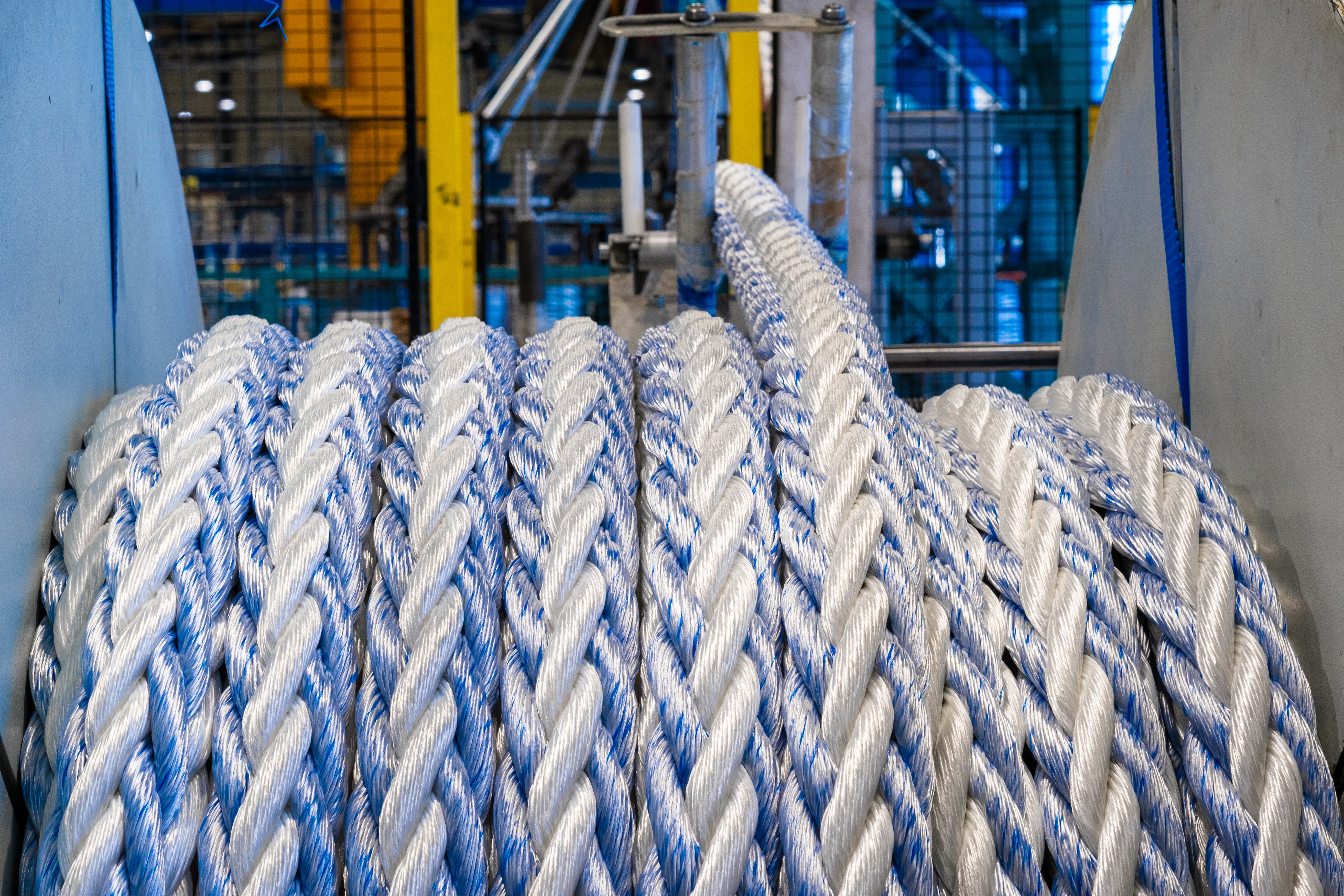
Figure 1: The new generation of Timm Master SBA™
Conclusion
Rope life is decided by a system rather than by a single choice. Hardware, stowage, installation, daily handling and record keeping all act on the same rope at once, and eight of the nine practices above cost nothing beyond attention. Get them right and the rope reaches the service life it was built for. Get them wrong and no specification will rescue the outcome.
What the rope itself can do is make the right practice the easy one: show twist before it costs strength, resist the abrasion that maintenance has not yet caught, and stay identifiable long enough for its history to mean something.