MEG beyond the engine room
Mono ethylene glycol (MEG) is widely associated with engine cooling, where its ability to provide freeze and boil protection makes it an important part of onboard cooling systems. But that is only one part of the story. Across today's marine and offshore operations, MEG can perform very different roles depending on the application. It can circulate through engine and auxiliary cooling systems, transfer heat in LNG operations, prevent hydrate formation in offshore gas production, and support HVAC and cold-climate heating systems.
The underlying chemistry may be familiar, but the operating requirements are not the same. Concentration, purity, corrosion protection and monitoring all become important considerations depending on where and how MEG is being used.
Engine and auxiliary cooling systems
Cooling remains one of the most established applications for MEG onboard vessels.
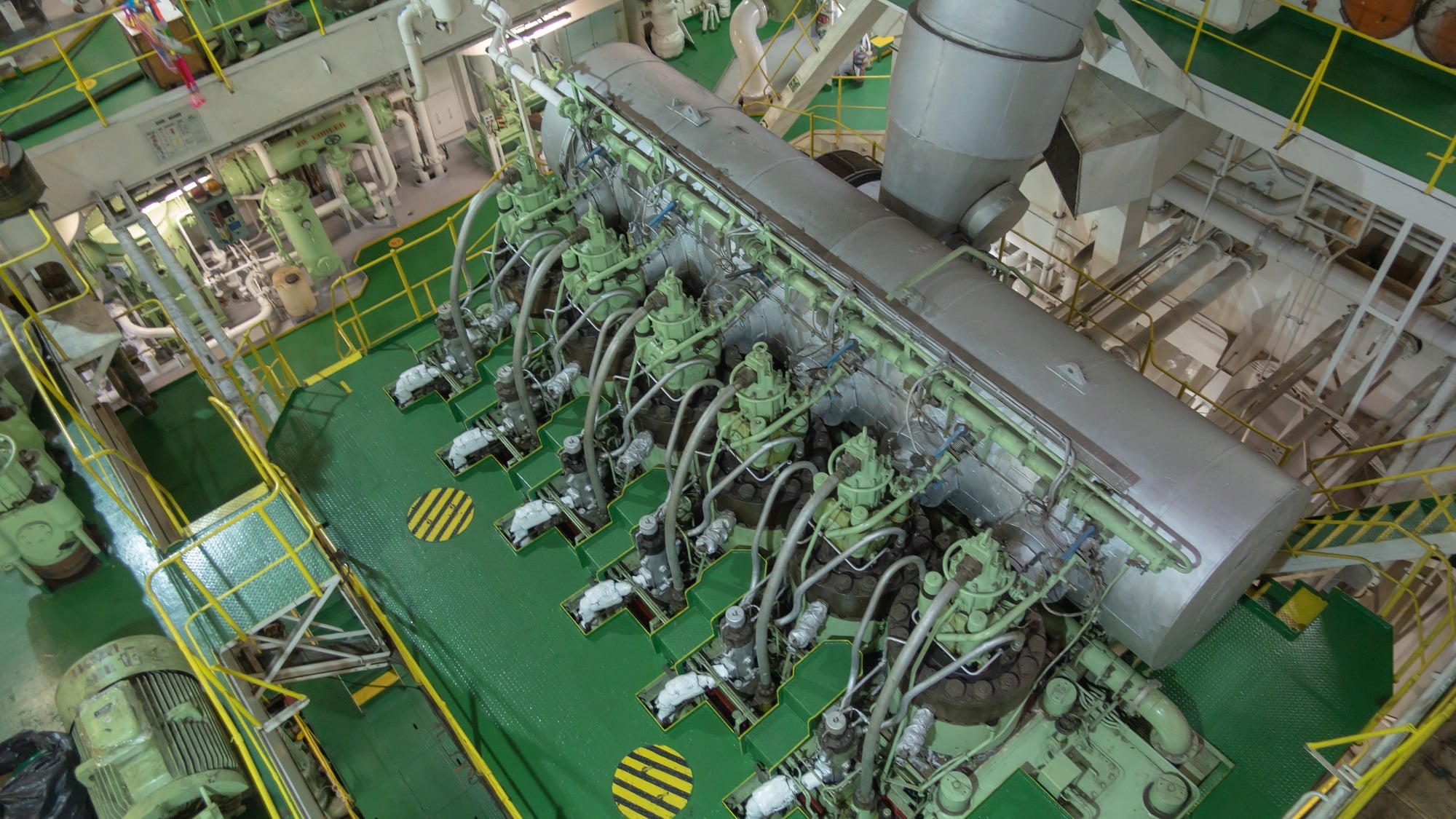
MEG is typically mixed with water at concentrations of 30-50% and combined with corrosion inhibitors for use in generators, emergency generators and auxiliary equipment. It may also be used in main-engine cooling systems where freeze protection is required and within the engine maker’s guidelines. The mixture helps protect the system against both freezing and overheating.
Maintaining the right fluid condition is important. Concentration needs to remain stable, inhibitor levels need to be appropriate, and pH should stay within the engine manufacturer's specified limits. Regular checks can help identify dilution, inhibitor depletion or the early signs of corrosion before they develop into more significant operating issues.
LNG carriers and FSRUs:
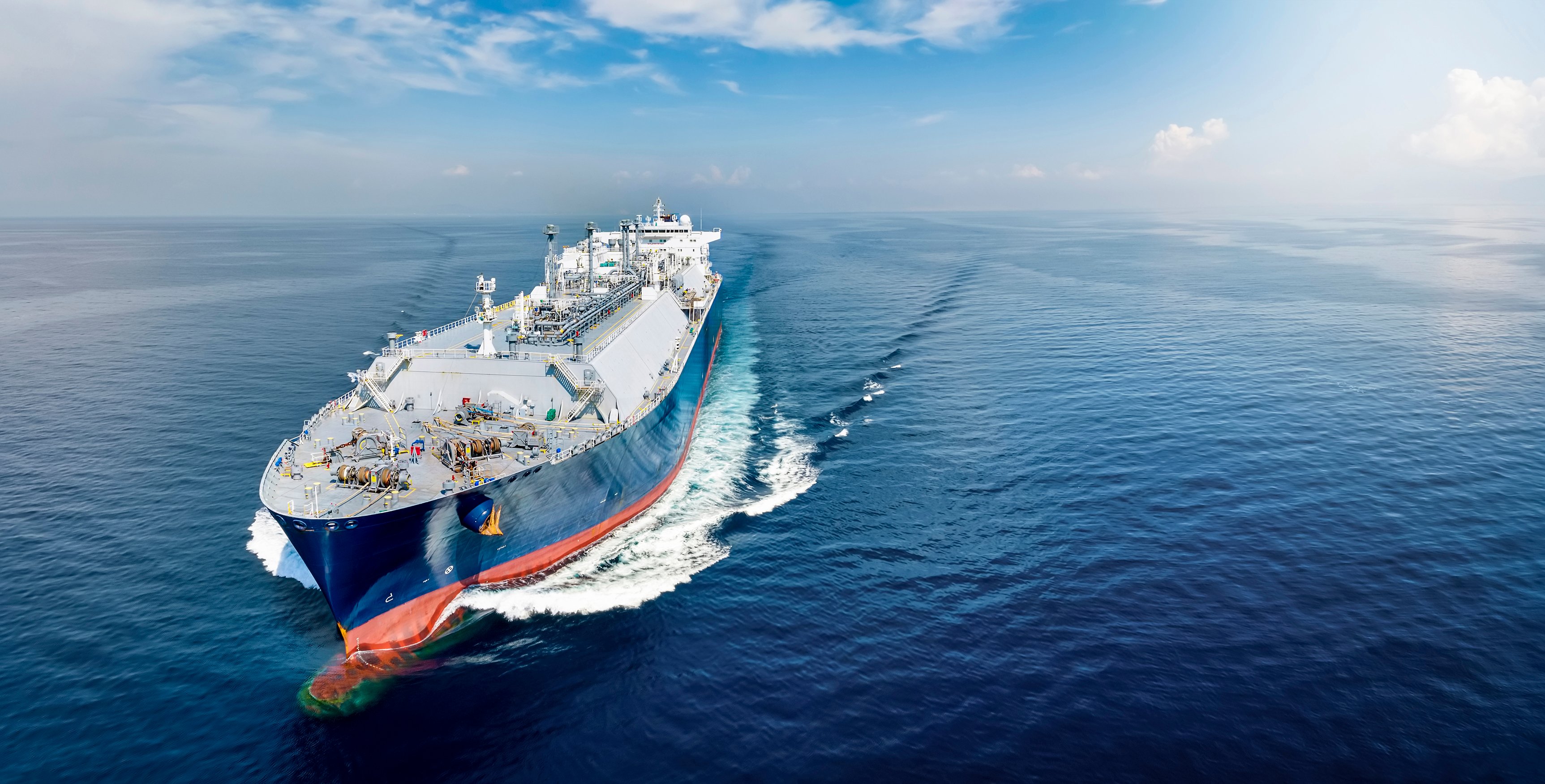
MEG takes on a different role in LNG operations. On Floating Storage and Regasification Units (FSRUs) and other regasification units, a glycol-water mixture can be used as an intermediate heating medium. The fluid picks up heat, often from seawater, before transferring that energy to the LNG vaporisers. With cryogenic temperatures on the other side of the heat exchanger, maintaining adequate freeze protection becomes particularly important.
The scale of these systems adds another consideration. The loops can contain hundreds of cubic metres of fluid, increasing the importance of correct glycol concentration, inhibitor dosing and chloride control. Seawater leakage into the system can introduce chlorides and contribute to corrosion.
MEG-based glycol-water systems also have an application aboard LNG carriers, where they can be used to heat cofferdams surrounding cold cargo tanks.

FPSOs and offshore platforms:
Offshore applications introduce a different challenge: gas hydrates. When water and light hydrocarbon gases meet at high pressure and low temperature, ice-like hydrate structures can form. These can obstruct wells and flowlines, creating a significant operational problem. High-concentration MEG can be used to inhibit this hydrate formation.
In some offshore operations, this takes place within a closed-loop system. MEG that has absorbed produced water, known as “rich” MEG, is regenerated back to concentrated “lean” MEG before being reinjected.
This changes the priorities surrounding MEG management. Rather than focusing primarily on freeze protection, offshore hydrate inhibition places greater emphasis on purity and the management of salts and other contaminants. MEG-water mixtures can also serve more conventional heating and cooling roles in FPSO topside process equipment.
HVAC and cold-climate operations
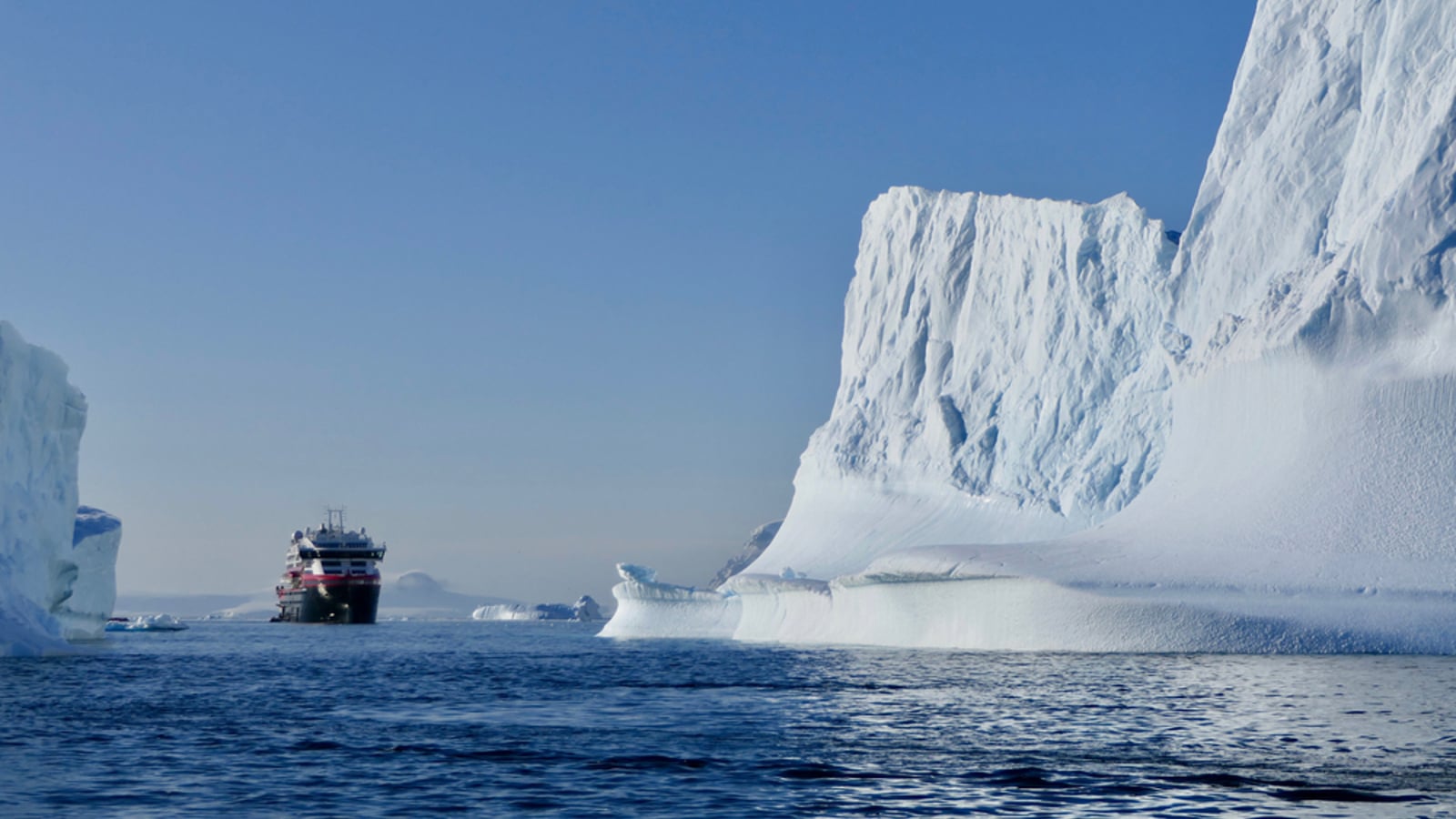
MEG also supports applications that may be less visible but are still important to vessel operations. On cruise ships and accommodation units, glycol-water circuits can support chilled-water and HVAC systems. Meanwhile, vessels operating in cold climates or on ice-class routes can use glycol heating circuits to help keep tanks and pipework operational under low-temperature conditions.
In these applications, the priorities shift again. Freeze protection, material compatibility and long service life become particularly important considerations when managing the glycol system.
| Application | Typical MEG form | Key operating considerations |
| Engine and auxiliary cooling | 30-50% inhibited blend | Freeze and boil protection where required, inhibitor level and pH within OEM limits |
| FSRU regasification and LNG carrier heating | Glycol-water blend, potentially in large volumes | Freeze protection, inhibitor dosing and chloride control |
| Offshore hydrate inhibition | High-concentration lean MEG | Purity and management of salts and contaminants |
| FPSO topside heating and cooling | Glycol-water blend | Stable concentration and corrosion protection |
| HVAC and cold-climate heating | Glycol-water blend | Freeze protection and material compatibility |
Selecting the appropriate MEG product is only the starting point. Its condition also needs to be maintained throughout its service life. Over time, MEG can oxidise into acids, absorb water, accumulate contaminants or lose inhibitors. These changes can reduce the protection the fluid provides to the system.
Regular onboard monitoring can therefore provide an early indication that conditions are changing. pH, conductivity, appearance and concentration are useful parameters to monitor, supplemented by periodic laboratory analysis to confirm fluid condition. Results can then support decisions around top-up or changeover against the relevant equipment manufacturer's specifications.
Wilhelmsen Ships Service supplies MEG in concentrations ranging from 20% to 99.5%, supported by product documentation, technical support and delivery through its global port network.
For operators managing different MEG applications across vessels or offshore assets, the objective is not simply to source glycol, but to select and maintain the MEG specification appropriate for the operating requirement.
Add MEG to your supply
MEG protects FGSS, vaporisers and heat exchangers from freezing, so your low-emission fuel system stays operational
Freeze-proof your systemsArticles that you might be interested in
-
What shipowners need to know about SOx & NOx as Canadian Arctic joins the ECAs
The global Emission Control Area framework is expanding once again. With the Canadian Arctic and the Norwegian Sea designated as new ECAs under MARPOL Annex VI, shipowners face stricter sulphur and nitrogen oxide requirements across a broader portion of their trading routes.
-
The hidden operational risks of poor emission control chemical management
Emission control systems are only as reliable as the chemicals that support them. While much attention is placed on hardware such as scrubbers and SCR units, the quality and consistency of chemicals like urea and caustic soda play an equally critical role.
-

Managing SCR urea procurement in 2026
Global urea supply has become more volatile in 2026 due to geopolitical disruption, rising energy costs, freight pressure, and tightening availability across Asia, Singapore, Europe, and the USA. Learn what this means for marine SCR compliance, procurement planning, and supply risk management.
-
What happens when poor-quality urea enters your SCR system
SCR systems are engineered to operate with urea that meets strict international quality standards. Any deviation in concentration or the presence of unwanted impurities can interfere with the chemical reaction and lead to injector blockages, catalyst degradation, unplanned maintenance.