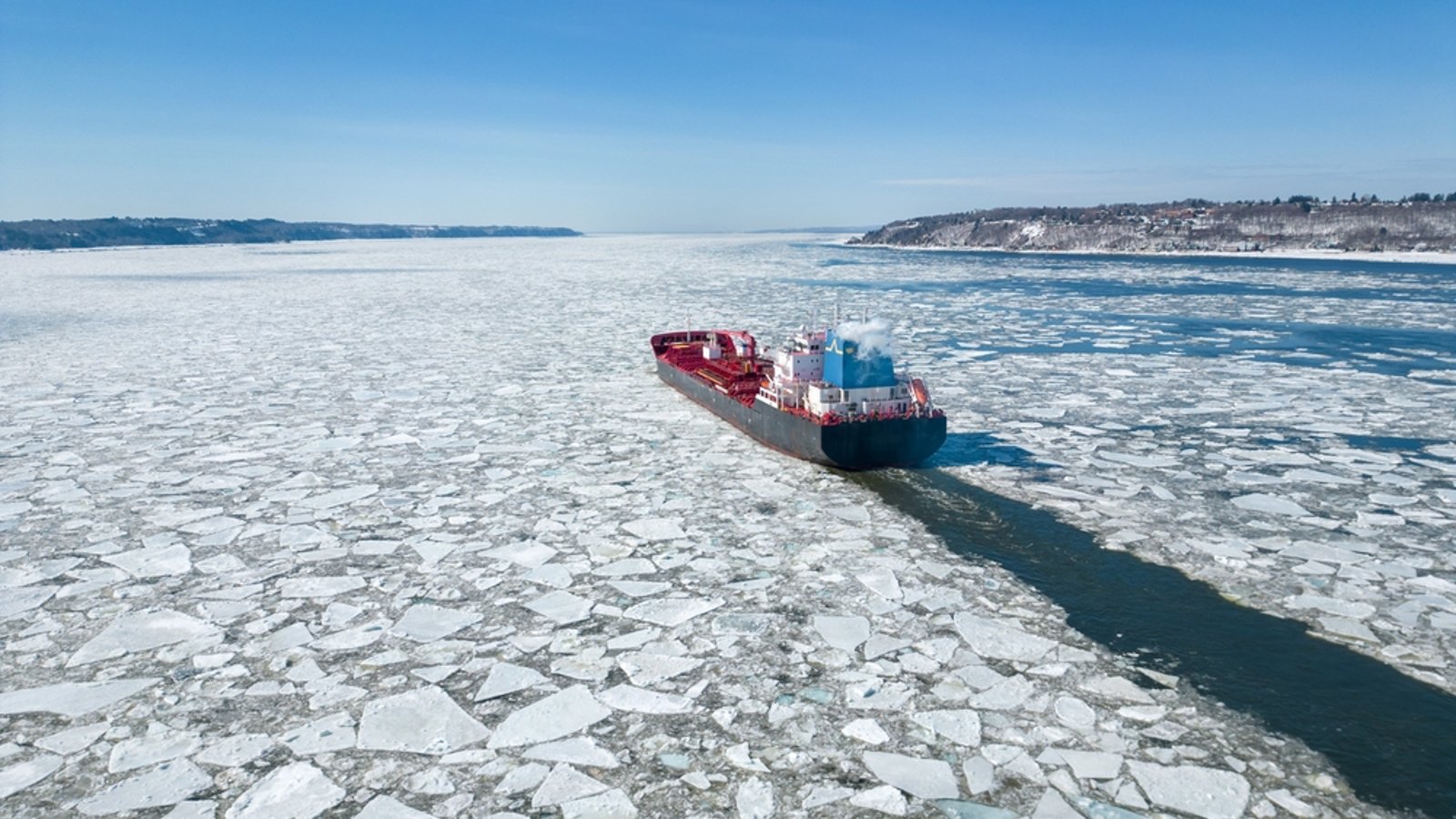
What shipowners need to know about SOx & NOx as Canadian Arctic joins the ECAs
With the Canadian Arctic and the Norwegian Sea designated as new ECAs under MARPOL Annex VI, shipowners face stricter sulphur and nitrogen oxide requirements across a broader portion of their trading routes.
These regions now join established ECAs such as the Baltic Sea, North Sea, North American coast, US Caribbean, and Mediterranean Sea, where vessels must comply with a 0.10 percent sulphur cap or use approved equivalent technologies. As enforcement extends into northern waters, compliance is becoming a continuous operational requirement rather than a regional exception.
What changes for your vessel operations
Inside SOx ECAs, vessels must either burn fuel with sulphur content not exceeding 0.10 percent or operate certified exhaust gas cleaning systems that achieve equivalent sulphur removal. In NOx ECAs, applicable engines must meet Tier III standards, typically achieved using selective catalytic reduction systems with 40 percent urea solution.
For fleets operating in Arctic waters, this means:
- Longer exposure to strict sulphur limits
- Greater dependence on scrubber reliability
- Consistent Tier III NOx performance
- Increased inspection and documentation scrutiny
- Additional cold weather handling considerations
Compliance must be stable, documented, and always maintained while inside the ECA.
Operational readiness is critical to remain compliant in ECAs
Regulations define the limits, but system performance ensures compliance. Technical teams must secure:
- Stable pH control and sulphur removal in scrubbers
• Accurate urea dosing and catalyst protection in SCR systems
• High purity emission control chemicals
• Reliable product availability across ports
• Clear documentation for Port State Control
In Arctic conditions, storage, pumping, and supply continuity become even more important. Any disruption can quickly translate into operational or compliance risk.
Strategy and supply chain alignment
Most fleets rely on a mix of low sulphur fuels, scrubber systems, and SCR installations. Regardless of the approach, chemical integrity is essential. Off specification urea can damage catalysts and reduce NOx efficiency, while inconsistent alkaline reagents can compromise scrubber performance.
Using marine specific, standardized products such as ISO 18611 compliant 40 percent urea solutions and controlled concentration Caustic soda supports predictable system performance and simplifies inspection processes.
Equally important is global supply capability. As ECAs expand, shipowners need consistent product specifications, flexible delivery formats, and reliable availability across multiple regions.
The importance of chemical integrity
In high compliance zones such as the Arctic, product quality directly affects operational stability.
Off specification urea AUS can cause:
- Catalyst fouling
- Reduced NOx conversion efficiency
- Increased ammonia slip
- Higher maintenance costs
Inconsistent alkaline reagents (Caustic soda) can lead to:
- Unstable scrubber pH
- Reduced sulphur removal efficiency
- Increased operational adjustments
- Potential compliance findings
Marine specific, standardized products help mitigate these risks. ISO 18611 compliant 40 percent urea solutions support predictable SCR performance across engine load ranges while protecting catalyst surfaces. Controlled concentration Caustic soda solutions enable stable alkalinity management in closed loop and hybrid scrubber systems.
Equally important is standardized documentation, which simplifies inspection processes and audit readiness
The designation of the Canadian Arctic as an ECA signals a clear direction for global maritime regulation. Environmentally sensitive regions will continue to fall under tighter emissions control.
For shipowners, the priority is preparation. Aligning fuel strategy, emission control systems, and chemical supply chains today ensures operational stability tomorrow. In an expanding ECA landscape, proactive planning is the difference between seamless compliance and costly disruption.
Build your emission control plan
Discover how we can help youArticles that you might be interested in
-
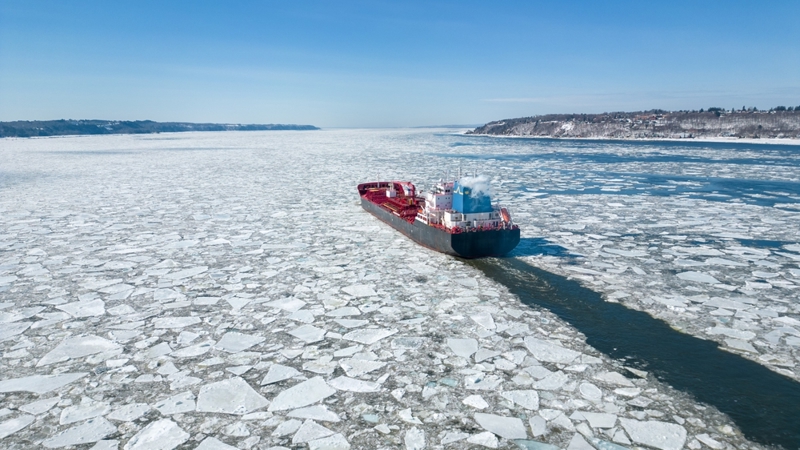
What shipowners need to know about SOx & NOx as Canadian Arctic joins the ECAs
The global Emission Control Area framework is expanding once again. With the Canadian Arctic and the Norwegian Sea designated as new ECAs under MARPOL Annex VI, shipowners face stricter sulphur and nitrogen oxide requirements across a broader portion of their trading routes.
-
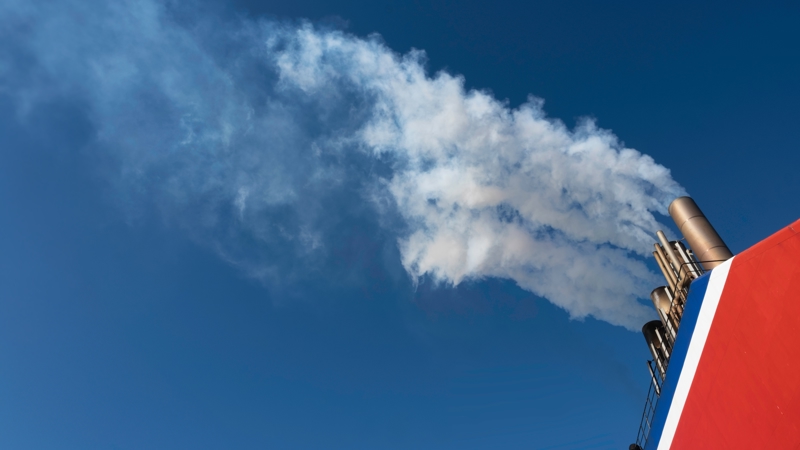
The hidden operational risks of poor emission control chemical management
Emission control systems are only as reliable as the chemicals that support them. While much attention is placed on hardware such as scrubbers and SCR units, the quality and consistency of chemicals like urea and caustic soda play an equally critical role.
-

Managing SCR urea procurement in 2026
Global urea supply has become more volatile in 2026 due to geopolitical disruption, rising energy costs, freight pressure, and tightening availability across Asia, Singapore, Europe, and the USA. Learn what this means for marine SCR compliance, procurement planning, and supply risk management.
-
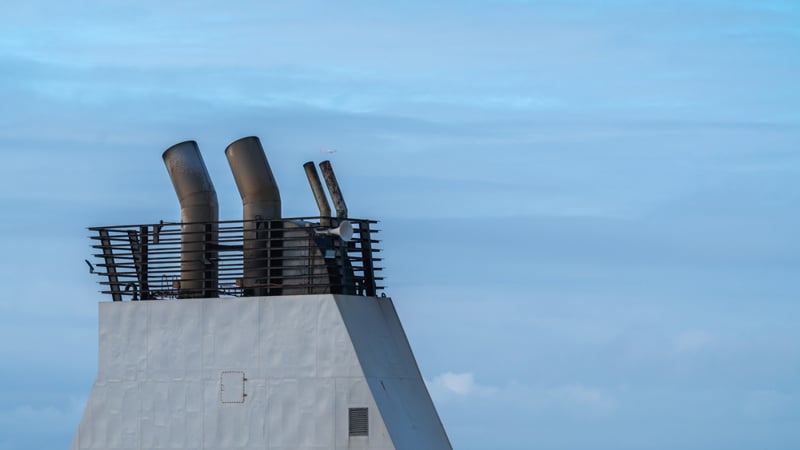
What happens when poor-quality urea enters your SCR system
SCR systems are engineered to operate with urea that meets strict international quality standards. Any deviation in concentration or the presence of unwanted impurities can interfere with the chemical reaction and lead to injector blockages, catalyst degradation, unplanned maintenance.