


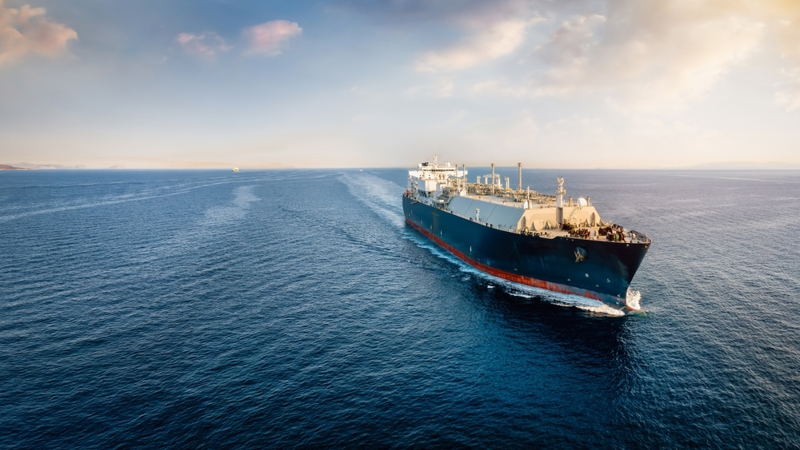
VIDA is set to replace VGP. Is your fleet ready?
The Vessel Incidental Discharge Act (VIDA) establishes a uniform national framework for the regulation of discharges incidental to the normal operation of a vessel under Clean Water Act Section 312(p). This new framework is intended to prevent or reduce the discharge of pollutants from these vessels into U.S. waters.
Where things stand
-
2013
EPA Vessel General Permit requires EALs at oil-to-sea interfaces
-
Dec 2018
Vessel Incidental Discharge Act (VIDA) signed into US law
-
Oct 2024
EPA publishes final national standards of performance
-
Next
US Coast Guard implementing rules make VIDA enforceable and repeal the VGP
When lubricant can reach the sea, compliance can’t be left to assumption. VIDA brings more onboard applications into scope and raises the evidence needed to show compliance. Here’s what’s changing, and how to prepare.
What is VIDA
The Vessel Incidental Discharge Act (VIDA), signed into US law in 2018, replaces a patchwork of permits with one set of national standards for discharges from commercial vessels. The Environmenal Protection Agency (EPA) published its final standards in October 2024. They become enforceable once the US Coast Guard’s implementing regulations are final, and until then the 2013 VGP still applies.
VIDA applies to non-recreational, non-military vessels 79 feet or longer operating in US waters. For lubricants, it requires EALs at every oil-to-sea interface unless technically infeasible, names hydraulic fluids explicitly, and relies on evidence of biodegradability, low toxicity and non-bioaccumulation rather than ecolabels.
How VIDA widens the compliance net
VIDA doesn’t simply rename the VGP. It turns permit conditions into permanent national standards, and changes what you’ll need to show for each lubricant at an oil-to-sea interface. See the table on the right.
 |
Wider scopeEAL expectations reach beyond underwater equipment to deck, overboard and externally mounted applications. |
 |
Hydraulic fluids are includedVIDA’s EAL definition covers lubricants, greases and hydraulic fluids at any oil-to-sea interface, unless technically infeasible. |
 |
Proof of complianceEcolabels are no longer a shortcut. Expect to show biodegradability, toxicity and bioaccumulation data per product. |
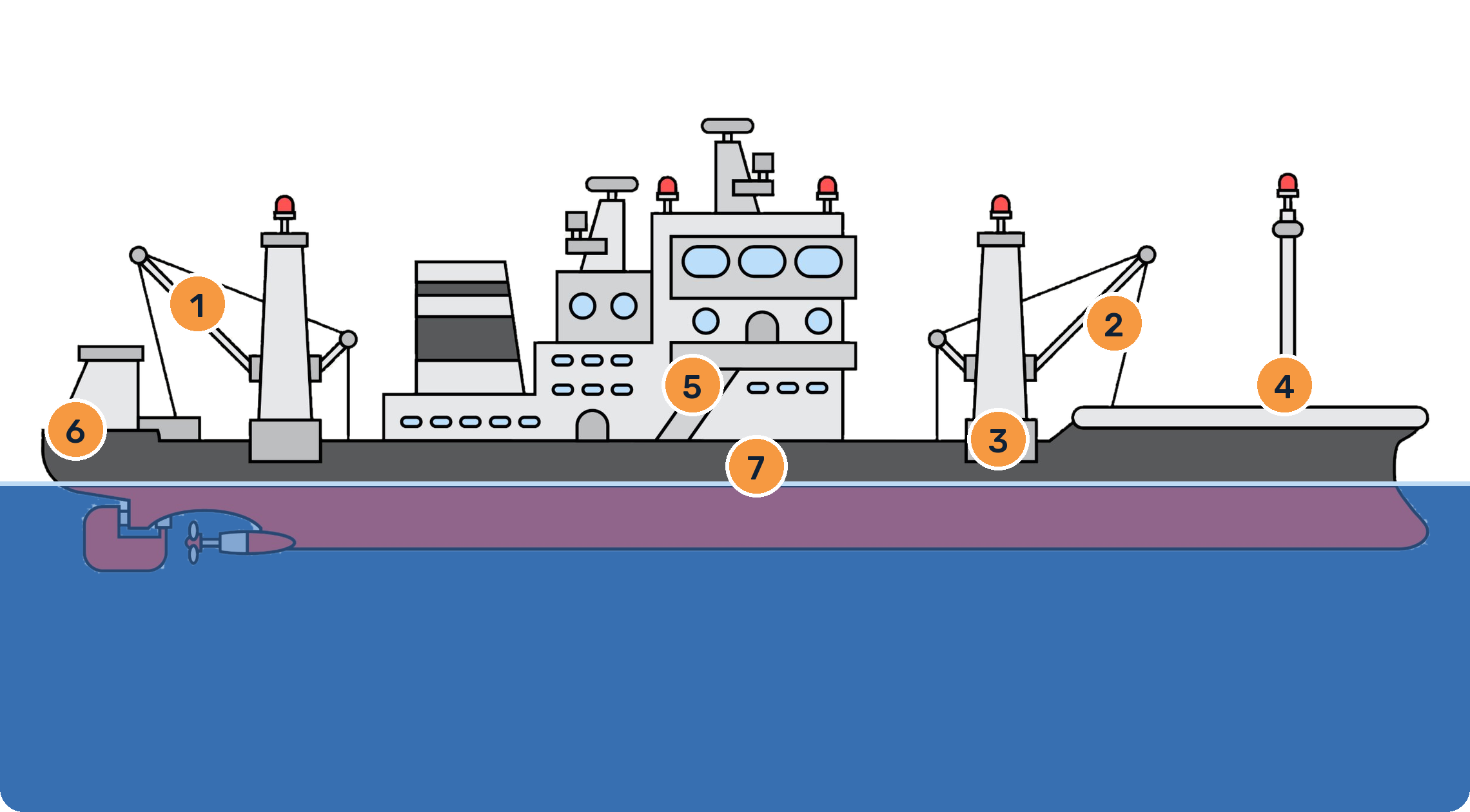
Where is applies
 |
Crane Slewing gear, wire and hydraulics on deck cranes |
 |
Winches & wire ropes Mooring winches, drums and running rigging |
 |
Hydraulic systems Hatch covers, A-frames and steering gear |
 |
Deck machinery Windlasses, capstans and open gears |
 |
Accommodation ladders Hinges, winches and davits on access equipment |
 |
Stern ramp Hinges, rollers and ramp hydraulics |
 |
Overboard applications Anywhere else lubricant can reach the sea |
How to prepare
-

Identify
List every point where lubricant could reach the water, including deck and externally mounted equipment.
-

Assess
Decide which applications are likely to fall in scope, and which already use an EAL.
-

Select
Match a suitable EAL to each application, rather than making one blanket substitution.
-

Document
Collect product-specific evidence on biodegradability, toxicity and bioaccumulation, and keep it accessible.
KLÜBER EALs from Wilhelmsen Ships Service
-
Built to EAL criteria
Formulated to be readily biodegradable, minimally toxic and not bioaccumulative.
-
Documentation per product
Data sheets and test evidence you can keep with your compliance records.
-
Global network and reach
Experience our technical support and worldwide supply as Klüber Lubrication’s exclusive marine partner.
EAL Greases
EAL Oils