
Stay Ahead of Cold Weather Challenges
Stay Ahead of Cold Weather Challenges with Our Solutions
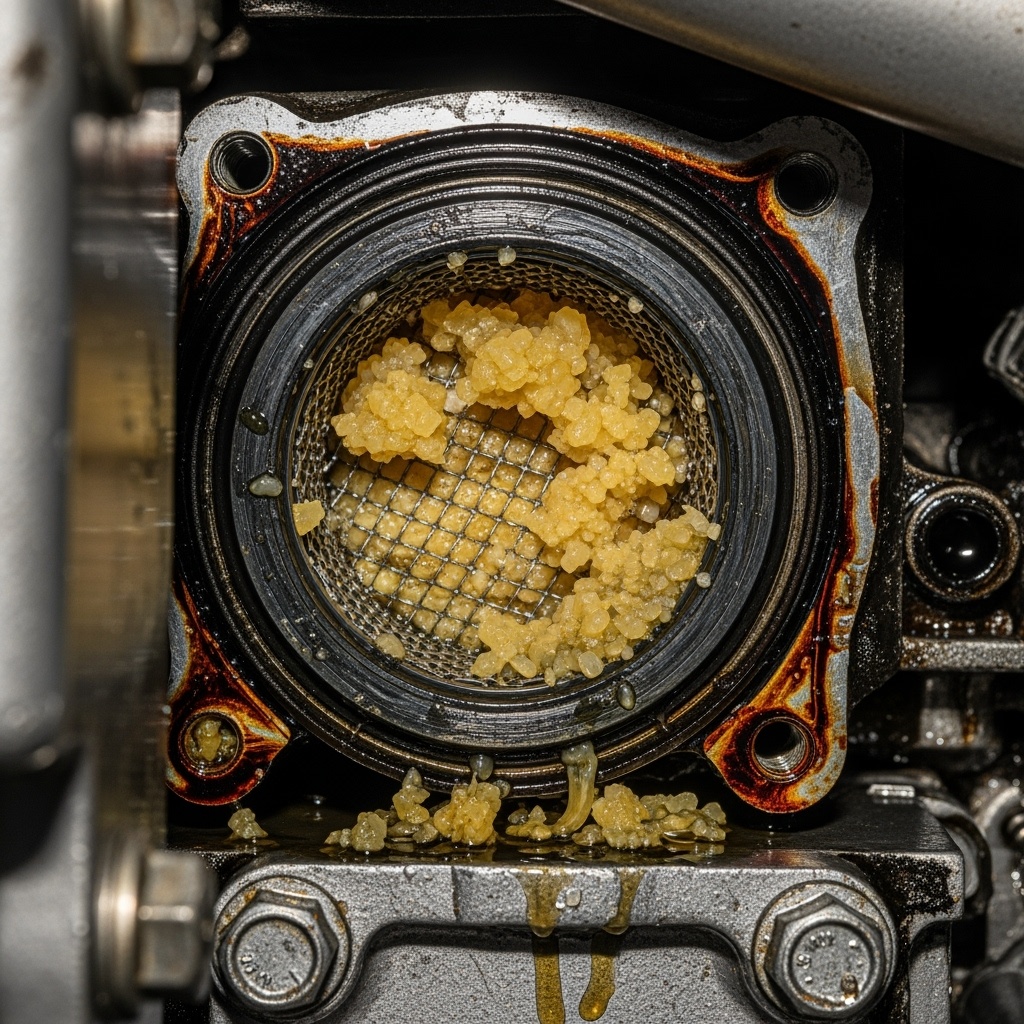
Cold temperatures can cause serious issues for your onboard fuels. Wax formation in fuel can lead to blocked filters, pipelines, and even equipment failure—sometimes at temperatures as high as 15°C.
Don’t let winter conditions disrupt your operations.
Our Complete Cold-Weather Fuel Care Portfolio
Unitor™ DieselPower CFPP
Designed to protect your fuel system when temperatures drop. This advanced additive lowers the Cold Filter Plugging Point (CFPP), in some cases even down to –25 degree, ensuring smooth fuel flow and reliable engine performance.
Key Benefits:
- Significantly lowers CFPP
- Prevents blockages caused by wax formation
- Reduces wax particle size for better flow
- Avoids unscheduled stops and costly downtime
- Minimizes the heating demand for your fuel
Unitor™ FuelPower PPD
Your first line of defence against waxing in heavier fuels (f.e. VLSFO). FuelPower PPD improves the pour point properties and helps maintain fuel stability, reducing the risk of filter clogging and operational interruptions.
Benefits:
- Lowers the Pour Point
- Improves cold flow performance
- Protects against waxing in harsh conditions
- Helps lower the energy required to heat your fuel
- Optimizes fuel properties to require less heating
Unitor™ Dieso Test Kit
Knowledge is power. Our Dieso Test Kit gives you quick, accurate insights into your fuel quality—so you can act before problems occur.
Benefits:
- Easy-to-use onboard testing
- Detects fuel issues early
- Helps you stay compliant and avoid costly surprises
Why Choose Us?
- Proven solutions with Unitor™ for cold-weather fuel challenges
- 24/7 global support
- Trusted by operators worldwide
Is your fuel fit for purpose?
ISO 8217 specifies a pour point of -6°C, but waxing can start much earlier—at temperatures as high as 15°C. Don’t risk unscheduled maintenance or engine failure. Protect your operations today.
Contact Us
For all enquiries, fill out the contact us form and our team will get back to you promptly.
Articles you might be interested in
-
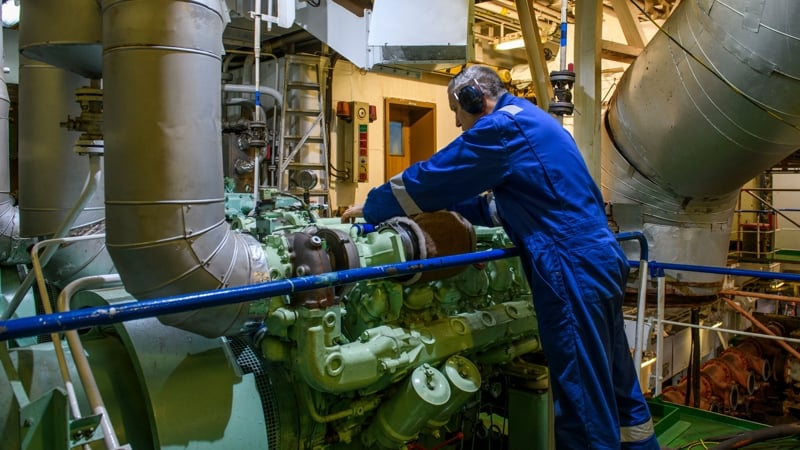
How to choose the right fuel and lube oil test kit for your vessel
This guide is intended to support chief engineers and technical superintendents in selecting onboard test kits that align with vessel size, engine configuration, fuel strategy, and operating profile.
-
Safeguarding your fuel system
Microbial contamination: the silent threat hiding in your fuel tanks as marine fuels evolve, so do the risks. Microbial growth fueled by water ingress is quietly degrading fuel quality, threatening vessel safety, and driving up maintenance costs. In this article, Wilhelmsen experts unveil the Prevent – Test – Treat (PTT) methodology, an integrated, proactive approach to fuel management that helps you stay ahead of microbial risk. Discover how simple steps can protect your fuel, your crew, and your bottom line. Read on and contact us to safeguard your operations.
Wilhelmsen insights |
Alex Qiang, Head of Product Management - Fuel & Lubricant Solutions -
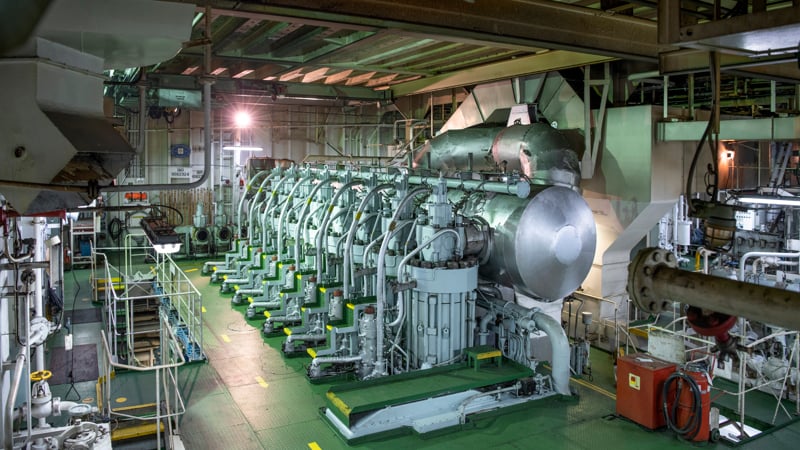
Embrace fuel diversity for the future
Post IMO 2020, the fuel challenges remain unchanged while being more complicated when Very Low Sulphur Fuel Oil (VLSFO) was implemented in 2020 to be compliant with IMO 2020 regulation. The fuel diversity in the market including residual fuel type (HSFO/VLSFO/ULSFO), distillate fuel type (LSMGO/Diesel), Bio-blends (Bio-VLSFO/HFO, Bio-LSMGO), etc. Invite new challenges and risks.
Wilhelmsen insights |
Alex Qiang, Head of Product Management - Energy Solutions -
Managing fuel quality issues and meeting regulatory requirements
For shipowners and operators, maintaining fuel quality at a time of tightening regulation requires a clear understanding of the challenges
Wilhelmsen insights |
Shawn Lim, Head of Technical Sales and Business Development East, WSS Emissions, Fuels & Lubes