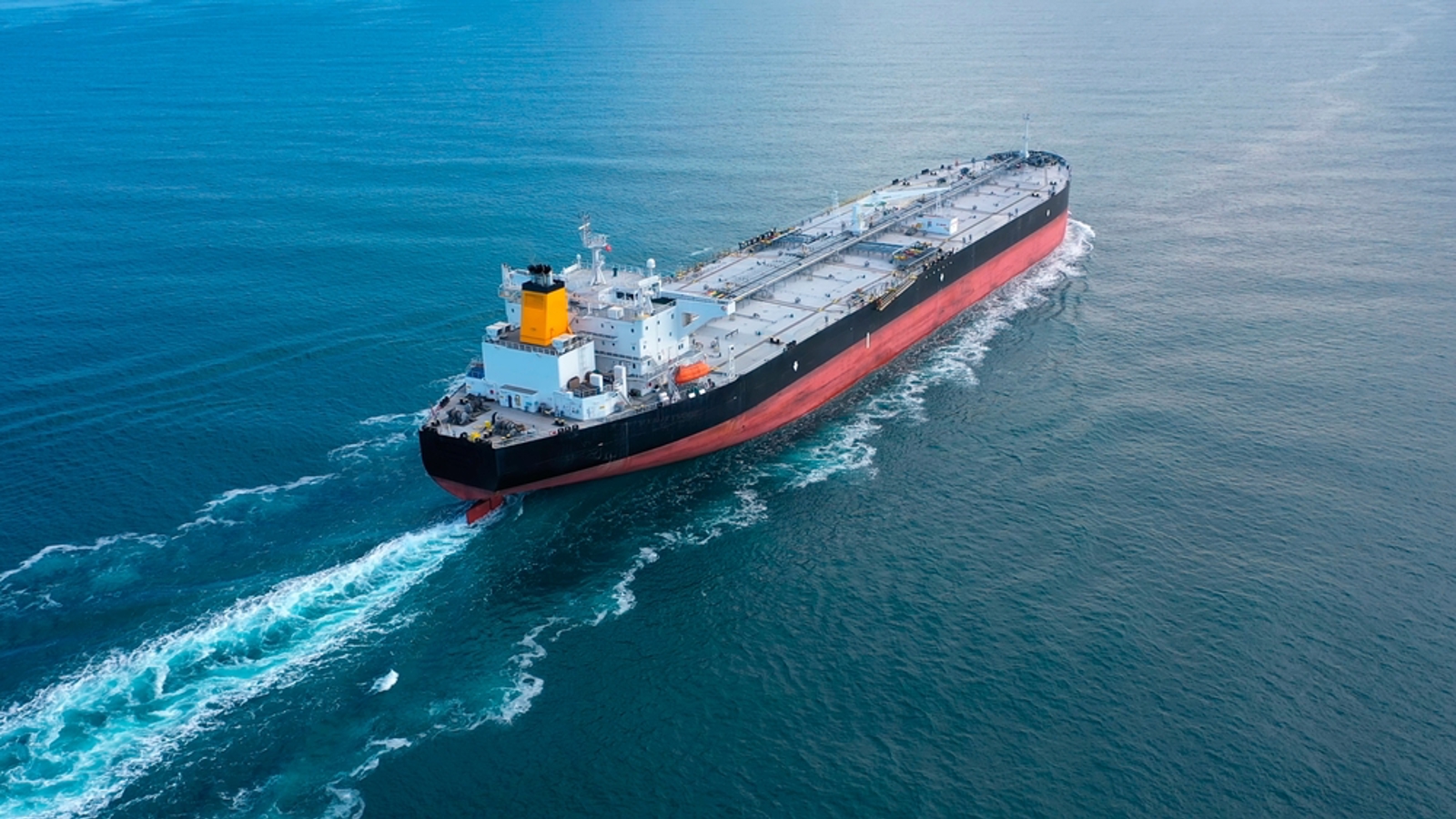
Case study: how pre-combustion treatment prevented a $75K in fuel loss
Customer background: A customer bulk carrier fleet had encountered an unexpected and severe purifier blockage for one of their deep-sea vessels. In August 2025, the vessel bunkered 893 tons of VLSFO in Panama, with a viscosity of 109.9 mm²/s at 50°C.
Within 2 month of sailing, it was discovered that approximately 150 tons of fuel in one tank had become extremely unstable, leading to rapid sludging, purifier shutdowns within minutes, and growing operational issues. A dedicated Wilhelmsen Ships Service Technical Sales & Business Development Manager (TSBDM) was contacted on technical consultancy for an emergency solution to recover the remaining fuel safely without compromising the engine condition.
The challenge: severe sludging in the fuel purifier threatening vessel operations
Attempts to run both purifiers resulted in immediate blockage. The sludge discharge system, bowl, drainage chamber, and even water channels became packed with heavy deposits, pushing the engine team into repeated dismantling cycles.
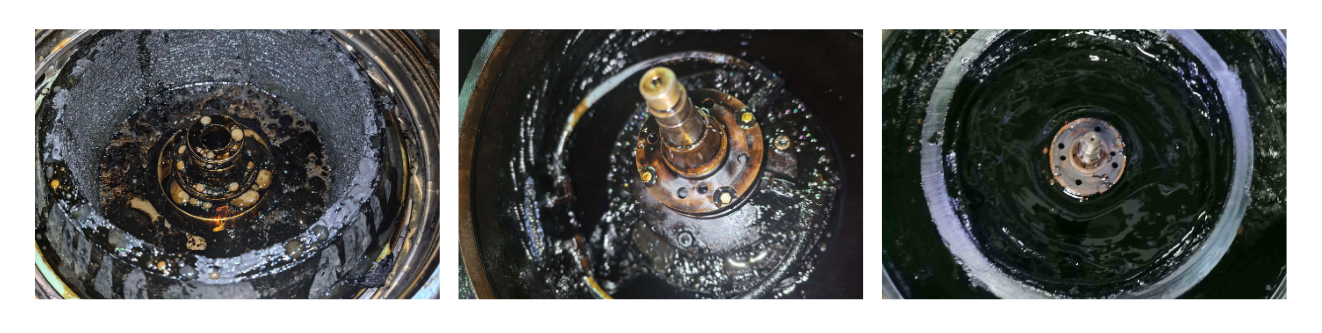 Operational risks were escalating:
- Unpredictable fuel handling with longer fuel storage onboard (over 3 months)
- Increased workload and safety concerns for engineering staff with extremely shortened de-sludging cycle (several minutes)
- Potential loss of 150 tons of fuel (up to USD $75,000)
- Threatened propulsion margins for the upcoming voyage (delayed voyage)
Wilhelmsen’s response: a structured fuel expert approach
The customer’s TSBDM was a Fuel Expert who upon assessing the situation, recommended a controlled treatment program using Fuelpower Conditioner.
The goal was clear, stabilize the problematic fuel and restore purifier operability without imposing excessive operational burden.
Impactful outcome: restored stability and secured operational safety
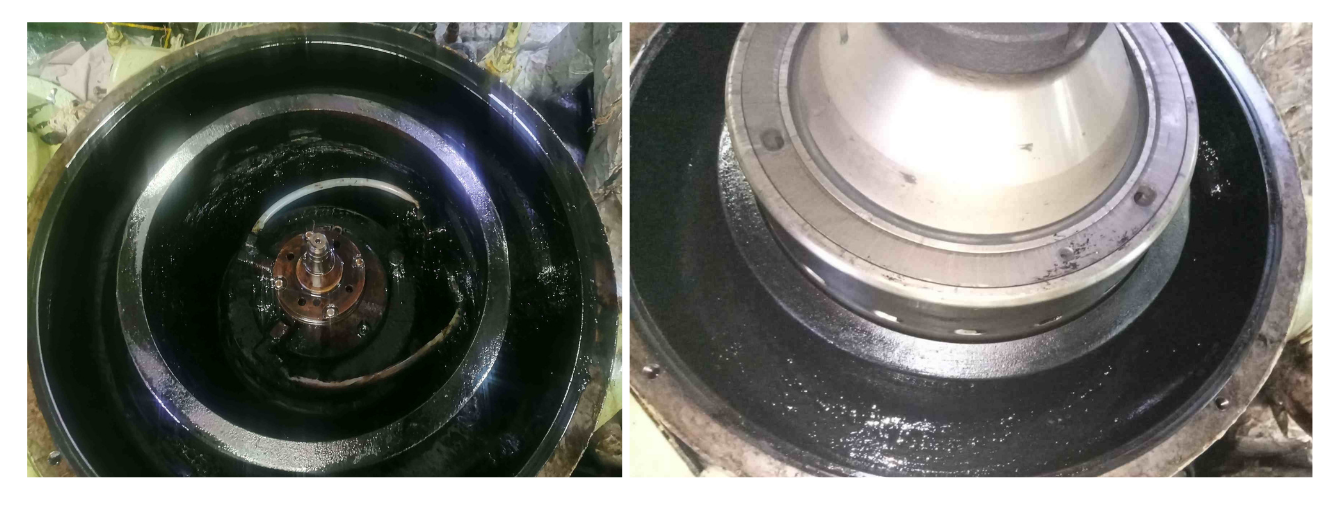
Within the first treatment cycle by dosing Fuelpower Conditioner, purifier runtime extended dramatically from several minutes to multiple hours of continuous operation before any new blockage occurred. As treatment continued and dosage was optimized, the vessel experienced further improvements:
- Cleaner sludge discharge pathways, with deposits gradually decreasing
- Higher feed rate capability, eventually increased to 0.6 m³/h as normal vessel operational feed rate
- Significantly reduced manual intervention, enabling manageable purifier cycles even under heavy fuel load
Consequently, the vessel successfully consumed all 150 tons of previously unmanageable fuel, avoiding waste, restoring confidence in the machinery, and ensuring safe margins to reach the next bunkering port.
The Chief Engineer formally documented the experience and sign-off as verified proof of performance by highlighting:
Operational efficiency restored: Fuelpower Conditioner enabled purifiers to run multiple hours instead of minutes, transforming the working rhythm of the engine room team and reducing the need for constant dismantling.
Fuel quality stabilized: the treatment helped disperse problematic asphaltenes and stabilize the VLSFO, showing how chemical conditioning can recover borderline fuels and extend their usability.
Cost & fuel waste avoidance: by enabling the vessel to safely burn all remaining fuel, the operation avoided the loss of 150 tons of bunkers with a significant cost saving up to $75,000.
Increased voyage confidence: maintaining propulsion margins ensured the vessel could reach the next bunkering port without compromising schedule or safety.
This customer case study demonstrates the value of a structured, analytical approach with WSS dedicated TSBDM team to modern fuel quality challenges. As today’s VLSFO blends continue to vary in stability and compatibility, ship operators increasingly require:
- Improved operational efficiency to reduce TCO (Total Cost Optimization) cost
- Safeguard vessel operation and reliability
- Holistic approach for fuel quality management with clear diagnostic practices
By combining on board operational discipline with the right chemical treatment and technical guidance, fuel management intervention can quickly turn a high‑risk situation into a controlled, efficient with a successful outcome protecting both operational integrity and total cost of ownership.
If you’d like to discuss how WSS fuel oil treatment and WSS Fuel Expert can support your fleet’s fuel management challenges for asset protection, please contact your local Wilhelmsen representative.
Featured Offers
-

Why MGO management matters more than ever in the growing ECAs
As the Emission Control Areas (ECAs) expand, more vessels will need to operate on marine gas oil (MGO) or bio-MGO for extended periods. While this shift supports environmental compliance, it also introduces new operational challenges that cannot be overlooked.
-

Fuel oil treatment offers benefits to enhance vessel operational efficiency on road to decarbonization
With shipping currently responsible for 3% of global GHG emissions, the new EEXI and CII regulations that came into force in January comprise the IMO's short-term measures to address climate change. The aim is to reduce carbon intensity of all vessels with over 5,000 GT in international trading by 40% by 2030 and 70% by 2050 – an ambitious target for the maritime community to pursue.
Wilhelmsen insights |
Jonas Östlund, Head of Product Management - Energy Solutions -
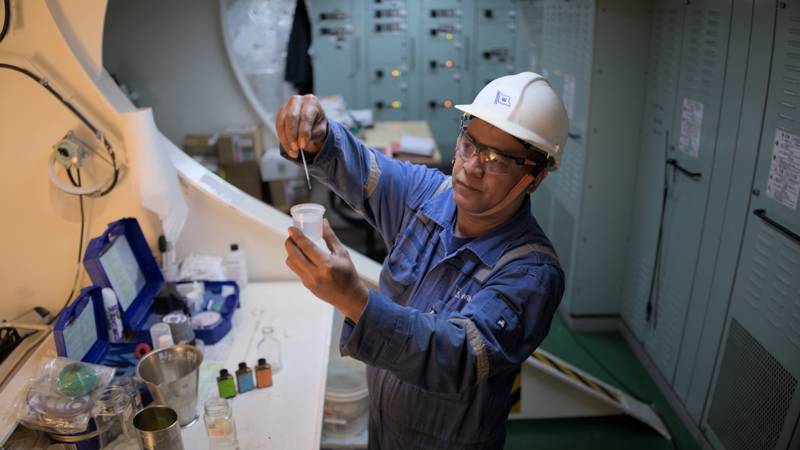
Is your blended fuel compatible? Simple onboard testing explained
As VLSFO formulations vary and biofuel blends become more common, many vessels are now handling a wider range of fuel chemistries than ever before. Without a simple check up front, the first sign of trouble may be blocked filters, overloaded separators, or rising sludge volumes.
-

Safeguarding your fuel system
Microbial contamination: the silent threat hiding in your fuel tanks as marine fuels evolve, so do the risks. Microbial growth fueled by water ingress is quietly degrading fuel quality, threatening vessel safety, and driving up maintenance costs. In this article, Wilhelmsen experts unveil the Prevent – Test – Treat (PTT) methodology, an integrated, proactive approach to fuel management that helps you stay ahead of microbial risk. Discover how simple steps can protect your fuel, your crew, and your bottom line. Read on and contact us to safeguard your operations.
Wilhelmsen insights |
Alex Qiang, Head of Product Management - Fuel & Lubricant Solutions
Articles you might be interested in
-
How to choose the right fuel and lube oil test kit for your vessel
This guide is intended to support chief engineers and technical superintendents in selecting onboard test kits that align with vessel size, engine configuration, fuel strategy, and operating profile.
-
Safeguarding your fuel system
Microbial contamination: the silent threat hiding in your fuel tanks as marine fuels evolve, so do the risks. Microbial growth fueled by water ingress is quietly degrading fuel quality, threatening vessel safety, and driving up maintenance costs. In this article, Wilhelmsen experts unveil the Prevent – Test – Treat (PTT) methodology, an integrated, proactive approach to fuel management that helps you stay ahead of microbial risk. Discover how simple steps can protect your fuel, your crew, and your bottom line. Read on and contact us to safeguard your operations.
Wilhelmsen insights |
Alex Qiang, Head of Product Management - Fuel & Lubricant Solutions -
Embrace fuel diversity for the future
Post IMO 2020, the fuel challenges remain unchanged while being more complicated when Very Low Sulphur Fuel Oil (VLSFO) was implemented in 2020 to be compliant with IMO 2020 regulation. The fuel diversity in the market including residual fuel type (HSFO/VLSFO/ULSFO), distillate fuel type (LSMGO/Diesel), Bio-blends (Bio-VLSFO/HFO, Bio-LSMGO), etc. Invite new challenges and risks.
Wilhelmsen insights |
Alex Qiang, Head of Product Management - Energy Solutions -
Managing fuel quality issues and meeting regulatory requirements
For shipowners and operators, maintaining fuel quality at a time of tightening regulation requires a clear understanding of the challenges
Wilhelmsen insights |
Shawn Lim, Head of Technical Sales and Business Development East, WSS Emissions, Fuels & Lubes