Why VLSFO stability demands greater attention today

Wilhelmsen insights
|
James Tan, Technical Product Marketing Manager - Oil & Water Test kits

The introduction of IMO 2020 marked a fundamental shift in marine fuel usage, with Very Low Sulfur Fuel Oil (VLSFO) becoming the dominant choice across the global fleet. While compliant with environmental regulations, VLSFO has introduced a new reality for ship operators, one defined by variability, uncertainty, and increasing operational sensitivity. Today, fuel stability and compatibility are no longer secondary concerns but core operational priorities.
Unlike traditional marine fuels, VLSFO is fundamentally a blended product. Its composition is influenced by refinery processes, feedstock availability, blending economics, and regional market conditions. As a result, two fuels that meet the same ISO 8217 specification can behave very differently once onboard, especially when mixed with other fuels or stored for extended periods. In the IMO 2020 era, fuel stability is no longer something operators can take for granted, it has become a parameter that requires proactive management and vigilance.
External pressures driving fuel variability
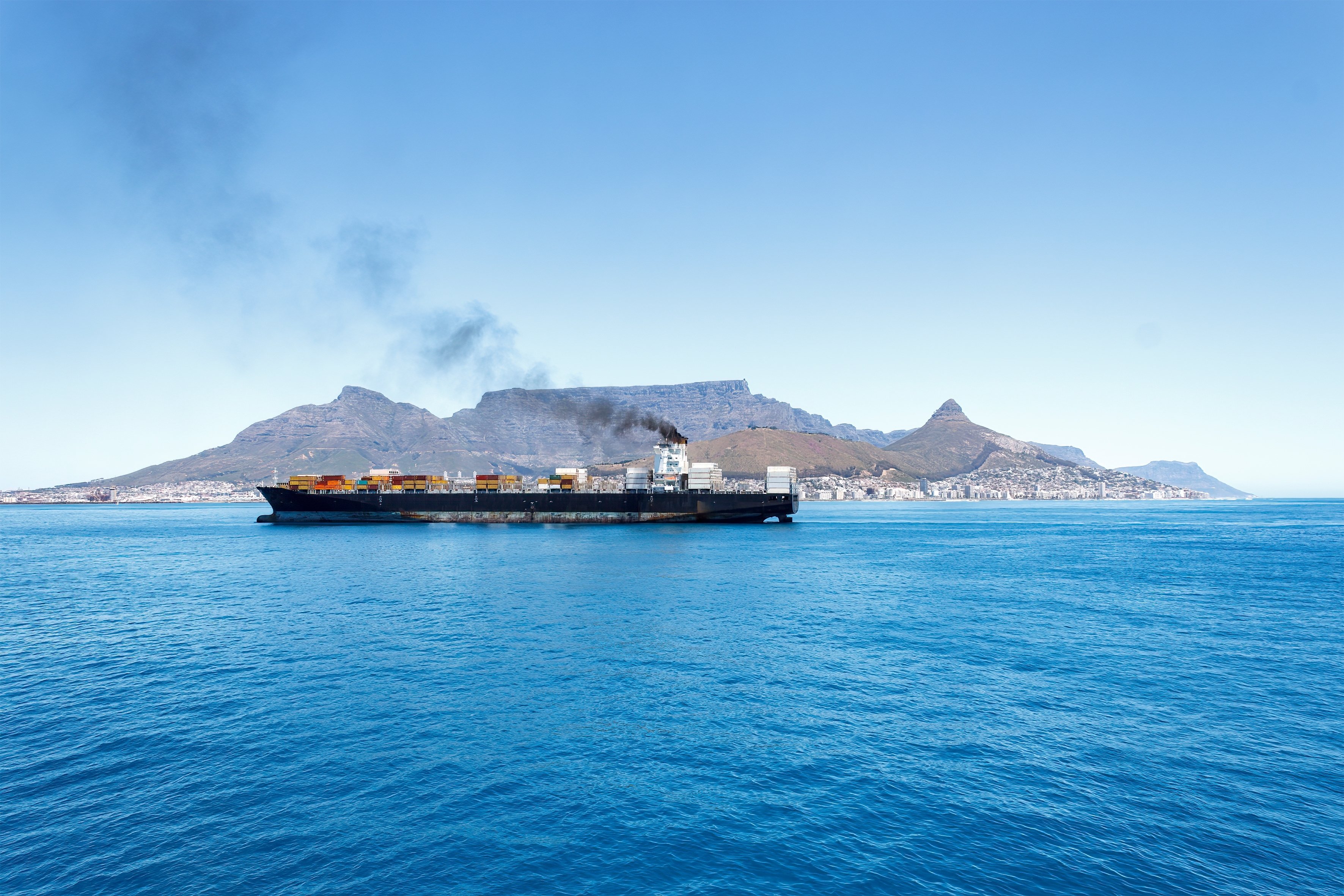
Recent geopolitical developments, particularly tensions in the Middle East, have added further strain to global fuel supply chains. Disruptions in key trade routes have forced refiners and suppliers to adapt blending strategies more frequently, resulting in increased diversity in fuel composition. For operators, this translates into greater inconsistency between bunker stems and a higher likelihood of compatibility issues when fuels are commingled onboard.
At the same time, the maritime industry is accelerating its decarbonisation efforts, driving increased adoption of biofuel blends. While these blends contribute to emissions reduction, they also introduce new behavioural characteristics in fuels, particularly in terms of storage stability, oxidation, and interaction with conventional hydrocarbons.
The expansion of Emission Control Areas (ECAs) further adds to operational complexity. More regions now require low-sulfur fuels, leading to frequent fuel switching between VLSFO, distillates, and blends. Each transition increases the risk of incompatibility, especially when fuel mixing occurs under time or operational constraints.
Emerging fuel quality risks: beyond conventional blends
Against this already complex backdrop, industry experience has highlighted an important and evolving concern, the growing presence of non-traditional blend components, including shale oil-derived streams, in marine fuels.
Such components are not necessarily off-specification, but they are chemically different from conventional refinery products. Their behaviour in marine fuel systems can be less predictable, particularly when mixed with other fuels or subjected to onboard conditions such as heating, circulation, and long-term storage.
The key concern is not immediate compliance, but how these fuels behave over time. It has been observed across several industry cases that fuels containing these unconventional components may show a greater tendency toward instability, resulting in asphaltene precipitation and sludge formation during operation.
Operational feedback has described the formation of dense, sticky sludge residues that are difficult to handle and separate. These deposits can accumulate in tanks, strain purifiers, and block filters, reducing system efficiency and increasing the risk of operational disruption. In many cases, such behaviour only becomes evident after the fuel has been in use, highlighting the limitation of relying solely on standard specification testing. This reflects a broader shift in fuel quality risk, from clearly off-spec fuels to on-spec fuels with uncertain or evolving performance characteristics.
From specification to behaviour
In today’s fuel environment, specification compliance alone is no longer a sufficient indicator of performance. Increasingly, operators must focus on fuel behaviour under real operating conditions.
Instability can develop progressively and without immediate warning. Once triggered, incompatibility can rapidly lead to sludge formation, system fouling, and operational inefficiencies. The consequences are not only technical but also commercial, including increased maintenance, downtime, and fuel handling challenges. As fuel variability increases, the industry must shift toward a more proactive and behaviour-based approach to fuel management.
Enabling proactive decision-making with on board testing
To manage these risks effectively, onboard testing has become an essential operational safeguard. It provides immediate insight into compatibility and stability, enabling crews to make informed decisions before fuels are mixed or issues arise.
The Unitor Compatibility Test Kit PN 773153 is designed specifically for this purpose. It allows crews to assess whether different fuel batches can be safely commingled, helping to identify instability risks early. By doing so, it helps prevent sludge formation, purifier overload, and downstream operational problems.
In an environment where fuel composition can vary significantly due to geopolitical factors, biofuel integration, and evolving refining practices, such tools provide a practical means of restoring control at the operational level.
A more integrated fuel management approach
Unitor’s Fuel Solutions, from Tank to Wake supports a more holistic approach to fuel management. It integrates onboard testing with broader fuel handling practices, ensuring that fuel quality is monitored continuously, from bunkering through to combustion. This approach recognises that fuel-related risks are no longer isolated events but ongoing challenges that require consistent attention and informed action.

Stability as an operational discipline
The marine fuel landscape is becoming increasingly complex. Supply disruptions, regulatory changes, biofuel adoption, and the inclusion of unconventional blend components such as shale-derived streams are all contributing to greater variability in fuel behaviour. In this environment, attention to VLSFO stability is no longer optional. It is an operational discipline that directly impacts reliability, efficiency, and asset protection.
By focusing on fuel behaviour and adopting practical solutions such as onboard compatibility testing, operators can move from reactive troubleshooting to proactive management, ensuring greater confidence and control in an increasingly uncertain fuel environment.
Boost efficiency and manage assets
Control fuel performance across storage, combustion, and exhaust to reduce losses, protect assets, and improve emissions performance.
Explore the tank to wake approachArticles you might be interested in
-

How to choose the right fuel and lube oil test kit for your vessel
This guide is intended to support chief engineers and technical superintendents in selecting onboard test kits that align with vessel size, engine configuration, fuel strategy, and operating profile.
-

Safeguarding your fuel system
Microbial contamination: the silent threat hiding in your fuel tanks as marine fuels evolve, so do the risks. Microbial growth fueled by water ingress is quietly degrading fuel quality, threatening vessel safety, and driving up maintenance costs. In this article, Wilhelmsen experts unveil the Prevent – Test – Treat (PTT) methodology, an integrated, proactive approach to fuel management that helps you stay ahead of microbial risk. Discover how simple steps can protect your fuel, your crew, and your bottom line. Read on and contact us to safeguard your operations.
Wilhelmsen insights |
Alex Qiang, Head of Product Management - Fuel & Lubricant Solutions -
Embrace fuel diversity for the future
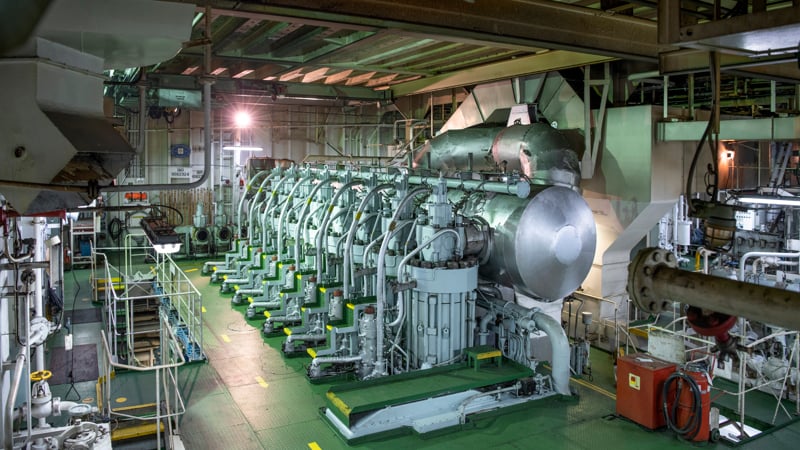
Post IMO 2020, the fuel challenges remain unchanged while being more complicated when Very Low Sulphur Fuel Oil (VLSFO) was implemented in 2020 to be compliant with IMO 2020 regulation. The fuel diversity in the market including residual fuel type (HSFO/VLSFO/ULSFO), distillate fuel type (LSMGO/Diesel), Bio-blends (Bio-VLSFO/HFO, Bio-LSMGO), etc. Invite new challenges and risks.
Wilhelmsen insights |
Alex Qiang, Head of Product Management - Energy Solutions -
Managing fuel quality issues and meeting regulatory requirements
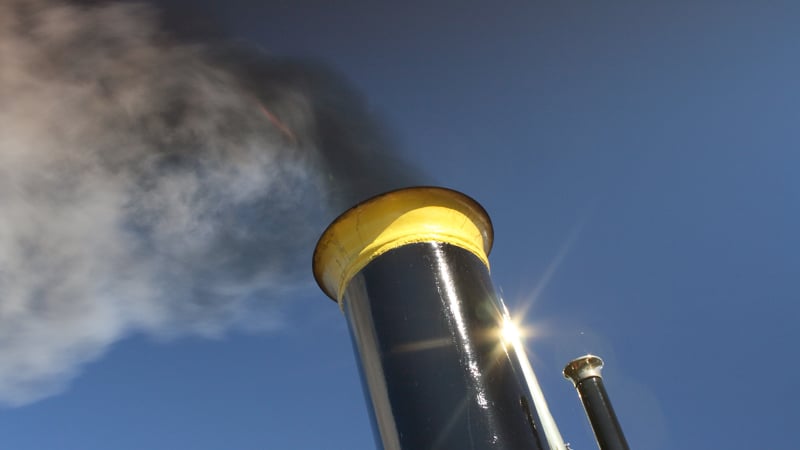
For shipowners and operators, maintaining fuel quality at a time of tightening regulation requires a clear understanding of the challenges
Wilhelmsen insights |
Shawn Lim, Head of Technical Sales and Business Development East, WSS Emissions, Fuels & Lubes