FuelEU Maritime
FuelEU Maritime is an EU regulation aimed at reducing greenhouse gas emissions in the shipping industry, supporting the goal of climate neutrality by 2050.
FuelEU Maritime is a European Union (EU) regulation aimed at reducing greenhouse gas (GHG) emissions in the shipping industry, supporting the goal of climate neutrality by 2050. This regulation is part of the EU’s broader commitment and has been in force since 1 January 2025.
Unlike the EU Emissions Trading System (EU ETS) which targets overall CO2 emissions, FuelEU focuses specifically on the environmental performance of the fuel itself. This means that simply improving energy efficiency is not enough to comply with the regulations.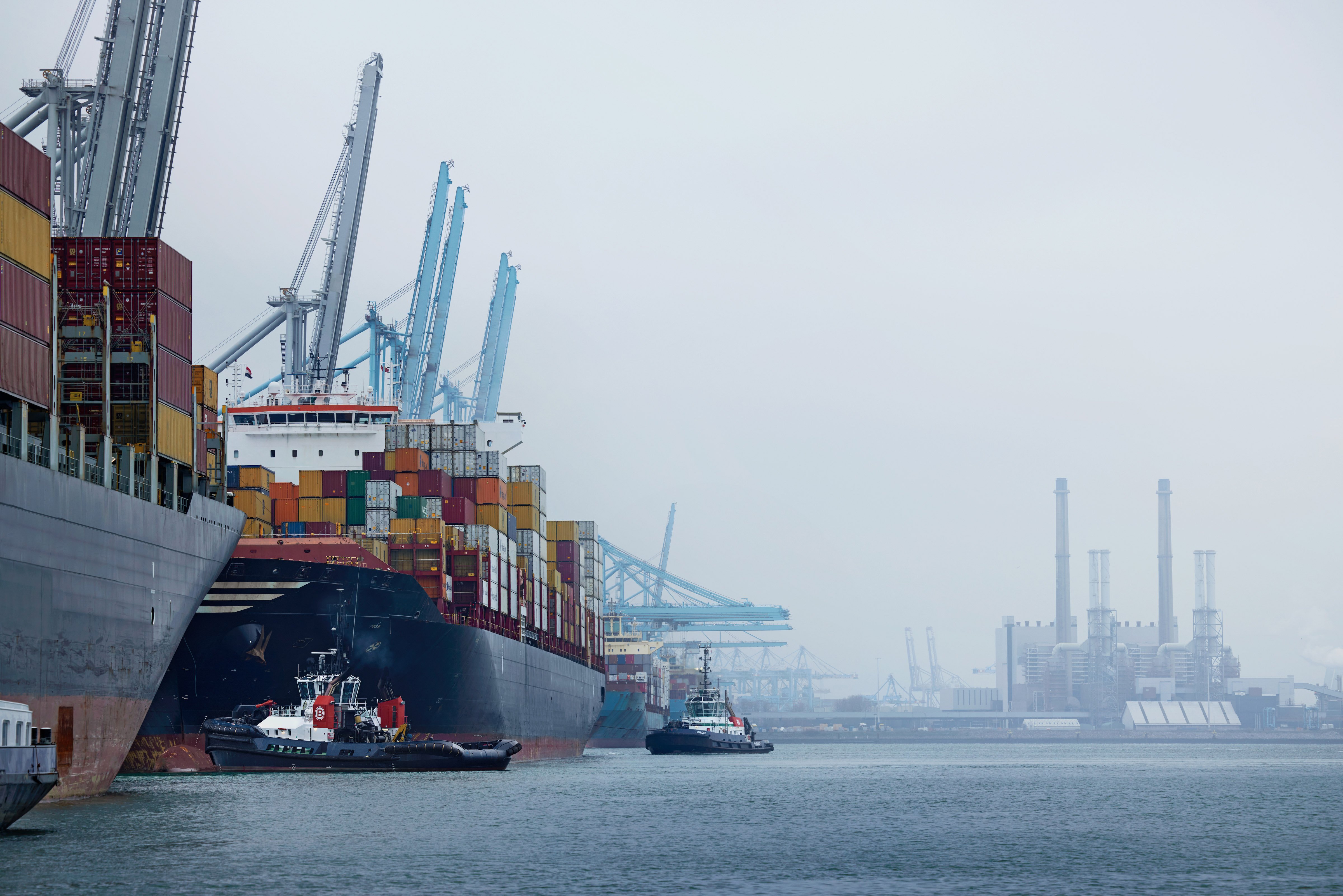
What Will Be Affected by FuelEU?
FuelEU Maritime will impact key areas of the shipping industry to reduce greenhouse gas (GHG) emissions:
-
Ships & Owners: Ships over 5,000 GT calling at EU ports must reduce GHG intensity, with increasingly strict targets from 2025 to 2050.
-
Fuel & Energy: Ships must gradually transition to renewable and low-carbon fuels.
-
Ports & Onshore Power: From 2030, large passenger and container ships must use onshore power supply (OPS) in designated EU ports, with further expansion by 2035.
-
Compliance Requirements: Shipowners must monitor fuel usage and emissions, with mechanisms available to balance compliance.
How do Ship Owners Comply to FuelEU?
FuelEU Maritime applies to a range of ships operating in EU waters, with specific requirements for certain ship types. For example, large passenger and container ships may be required to use onshore power supply (OPS) while at berth in designated ports.
Complying with FuelEU Maritime demands a comprehensive strategy including:
- Reduce GHG Intensity: The core obligation is to lower the GHG emissions per unit of energy consumed by their vessels. This involves using fuels with lower carbon footprints.
- Embrace Renewable and Low-Carbon Fuels: Increasing the proportion of renewable fuels like biofuels and e-fuels in the fuel mix is crucial.
- Utilize Onshore Power Supply (OPS): Larger passenger and container ships must connect to OPS when available in EU ports to reduce emissions while docked.
- Monitor and Report: Accurate tracking of fuel consumption, GHG emissions, and fuel types is essential for compliance and reporting to authorities.
- Paying Penalties: Penalties are calculated based on the amount of non-compliant fuel used.
Compliance & Flexibility Mechanisms
FuelEU Maritime introduces flexibility options to help shipowners comply:
- Pooling: Surplus GHG credits from one ship can be used to offset non-compliant ships within or across companies.
- Banking: Extra compliance credits can be saved and used in future years.
- Borrowing: Future credits can be used in the current year, with a penalty.
FuelEU Maritime Timeline and Key Considerations
The FuelEU regulation introduces a progressive and ambitious timeline for reducing GHG emissions from the shipping industry. Ship owners must carefully plan their compliance strategies to meet these escalating targets. This phased approach allows the industry to adapt and invest gradually while driving towards a low-carbon future. Every 5 years from 2025 to 2050 this reference value will be reduced as follows:
- By 2% from 2025
- By 6% from 2030
- By 14.5% from 2035
- By 31% from 2040
- By 62% from 2045
- By 80% from 2050
The Role of Ship Managers in Navigating FuelEU Maritime
Ship managers play a pivotal role in assisting ship owners in navigating the complexities of FuelEU Maritime. Their expertise in vessel operations, technical management, and regulatory compliance can be invaluable in ensuring adherence to the regulation. Some of the key roles of Ship Managers are:
- Compliance Strategy Development: Ship managers can assist ship owners in developing tailored compliance strategies, considering factors such as fleet composition, trade routes, and financial capabilities.
- Data Management and Reporting: Implementing robust data collection and reporting systems is crucial for FuelEU compliance. Ship managers can oversee these processes, ensuring accuracy and timely submission of required data.
- Technical Expertise: Ship managers possess the technical knowledge to evaluate and implement new technologies and operational measures to reduce GHG emissions. They can assist in assessing the suitability of alternative fuels, propulsion systems, and energy-saving devices.
- Crew Training: Developing and delivering training programs to educate crew members about FuelEU requirements, fuel handling procedures, and energy-saving practices is essential.
- Relationship Management: Ship managers have strong relationships with port authorities, classification societies, and other stakeholders to ensure smooth compliance and access to necessary support.
As a leading ship manager, we provide comprehensive services above to help you navigate the complexities of FuelEU.
Trading of Surplus / Deficit in Compliance Balance
We are proud to collaborate with Hecla Emissions Management, a joint venture between Wilhelmsen Ship Management and Affinity Shipping LLP. Hecla leads the way with its innovative FuelEU Maritime Exchange (FME) platform, the dedicated marketplace for assigning and trading FuelEU Maritime compliance balances. This pioneering initiative incentivizes companies that exceed their FuelEU compliance targets by allowing them to trade their surplus compliance balances. For more information, visit: https://www.hecla-em.com/