Environmental Product Declarations for our chemicals

Wilhelmsen insights
|
Anne-Julie Jøssang, ESG Director

Today’s buyers must assess life cycle data, regulatory compliance and sustainability credentials when making their decisions.
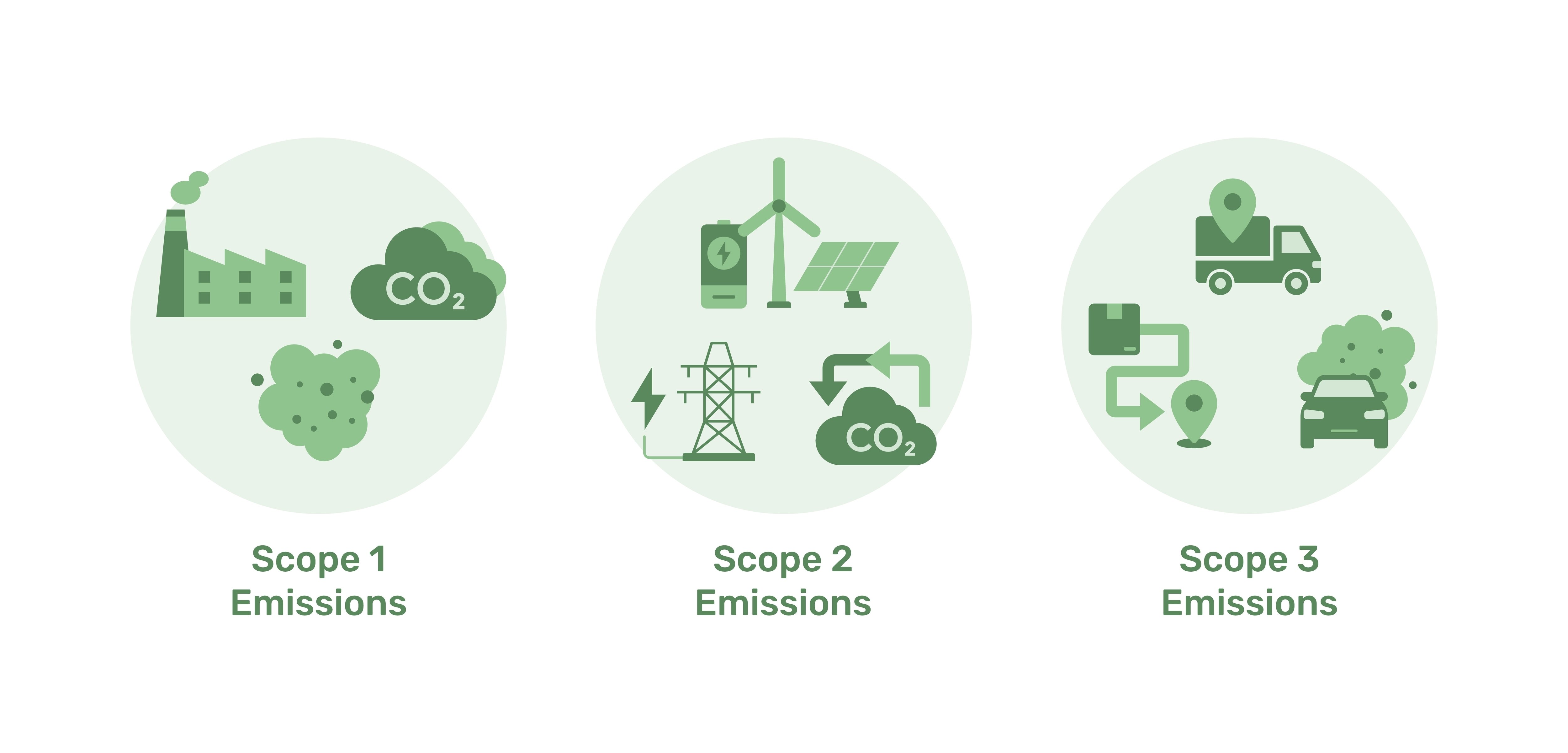
With increasing pressure on companies to reduce Scope 3 emissions and enhance transparency, Environmental Product Declarations (EPDs) represent a golden standard for environmental product information.
As part of our commitment to providing transparent information about the environmental impacts of our products, one of the key tools we use to achieve this is EPDs. Wilhelmsen Ships Service, together with Wilhelmsen Chemicals (WIC) has engaged EPD-Global, an established programme operator, to conduct thorough assessment of the carbon and environmental impact of our select products. Independently verified by EPD-Global, our EPDs follow recognised international standards to provide our customers with clear, credible, and fact-based insight into each products’ environmental impact.
This article will explore what EPDs are, their importance, the process of developing them, and the benefits they offer for our chemicals portfolio.
What are Environmental Product Declarations (EPDs)?
Environmental Product Declarations (EPDs) are standardised documents that provide detailed and third-party verified information about the environmental impacts of products. They are based on a comprehensive assessment of various environmental aspects, including resource use, energy consumption, and emissions all the way from the extraction to production and distribution phases.
Importance of EPDs
EPDs play a crucial role in promoting sustainability and transparency in the industry. They help customers make informed decisions by providing clear and comparable information about the environmental performance of products. For companies, EPDs demonstrate a commitment to environmental responsibility and can enhance brand reputation and customer trust. Additionally, providing information about sustainability of operations and products are increasingly becoming a requirement in many markets and regulatory frameworks, making EPDs key to compliance and market access.
How we develop EPDs with EPD-Global
The development of EPDs for our Unitor chemicals follows a structured process, led by WIC in collaboration with EPD-Global:
- Data collection: Detailed data on raw materials, resource use, energy consumption, and emissions are collected for relevant lifecycle stages of each product.
- Impact assessment: This data is used to model environmental impacts, such as global warming potential, ozone depletion, acidification, eutrophication, and resource depletion.
- Independent verification: EPD-Global arranges independent verification of the assessment, ensuring that the data, methods, and results comply with relevant standards and programme rules.
- EPD publication: Once verified, the results are compiled into an EPD document, registered and published through the EPD-Global programme, and then made available to our customers and stakeholders via Wilhelmsen platforms.
By working with EPD-Global, we ensure that our carbon and environmental calculations are performed and verified under an established, recognized programme, adding robustness and trust to the EPDs.
Benefits of EPDs for marine chemicals
Our range of chemicals has been specially formulated to meet the requirements of shipboard operations while complying with the latest environmental regulations. Here are some of the key benefits of EPDs for Wilhelmsen Ships Service chemicals:
- Transparency: EPDs provide clear and verified information about the environmental impacts of our chemicals, helping customers make informed decisions.
- Competitive Advantage: EPDs showcase products’ environmental performance and compliance with international standards, and can be used to support tenders, reporting, and compliance requirements
- Environmental Responsibility: EPDs help promote sustainable practices. By providing insight into the environmental impact of our products, we allow our customers to make purchasing decisions that reduce the environmental impacts of the products they use, contributing to a healthier planet.

How to use EPDs in your procurement process
Here are some practical steps you can take to incorporate EPDs into your procurement process for maritime chemicals:
1. Request EPDs from Suppliers: make it clear to your suppliers that you value environmental transparency and require EPDs for their products.
2. Establish Evaluation Criteria: develop a set of criteria for evaluating EPDs, prioritizing the environmental impact categories that are most relevant to your operations and environmental goals.
3. Compare Products: compare the EPD data for different cleaning products, paying close attention to the declared unit and the specific impact categories.
4. Consider the Total Cost of Ownership: while EPDs focus on environmental impact, remember to consider the total cost of ownership, including product price, usage rates, and disposal costs.
5. Engage with Suppliers: work with your suppliers to encourage them to improve the environmental performance of their products and provide more comprehensive EPDs.
6. Continuous Improvement: regularly review your procurement practices and update your EPD evaluation criteria as needed to stay aligned with the latest environmental standards and best practices.
Find out more
-
Environmental Product Declaration
Leading the maritime industry with trust, clarity and transparency