Pelagus: reclaiming the aftermarket for OEMs
Spare parts have long been one of shipping's most persistent – and quietly accepted – problems. Long lead times, patchy availability and growing reliance on grey-market "copycat" suppliers remain familiar frustrations, particularly given the age profile of the global fleet, with some 30% of vessels over 20 years old.
Pelagus was built on the premise that this is not inevitable. Previously branded as Pelagus 3D, the company emerged from Wilhelmsen's corporate venture programme with a focus on additive manufacturing. Today, it is repositioning itself as an on-demand manufacturing partner working directly with OEMs to restore control over spare parts supply, reinforcing a strongly customer-centred approach as the model evolves.
That shift has defined the past year. "We started with a strong technology focus and proved that we could produce quality parts," says CEO Håkon Ellekjær, based in Singapore since the early days of the venture. "The real step forward was understanding where the commercial pain for OEMs and asset owners actually sits – and aligning ourselves to that."
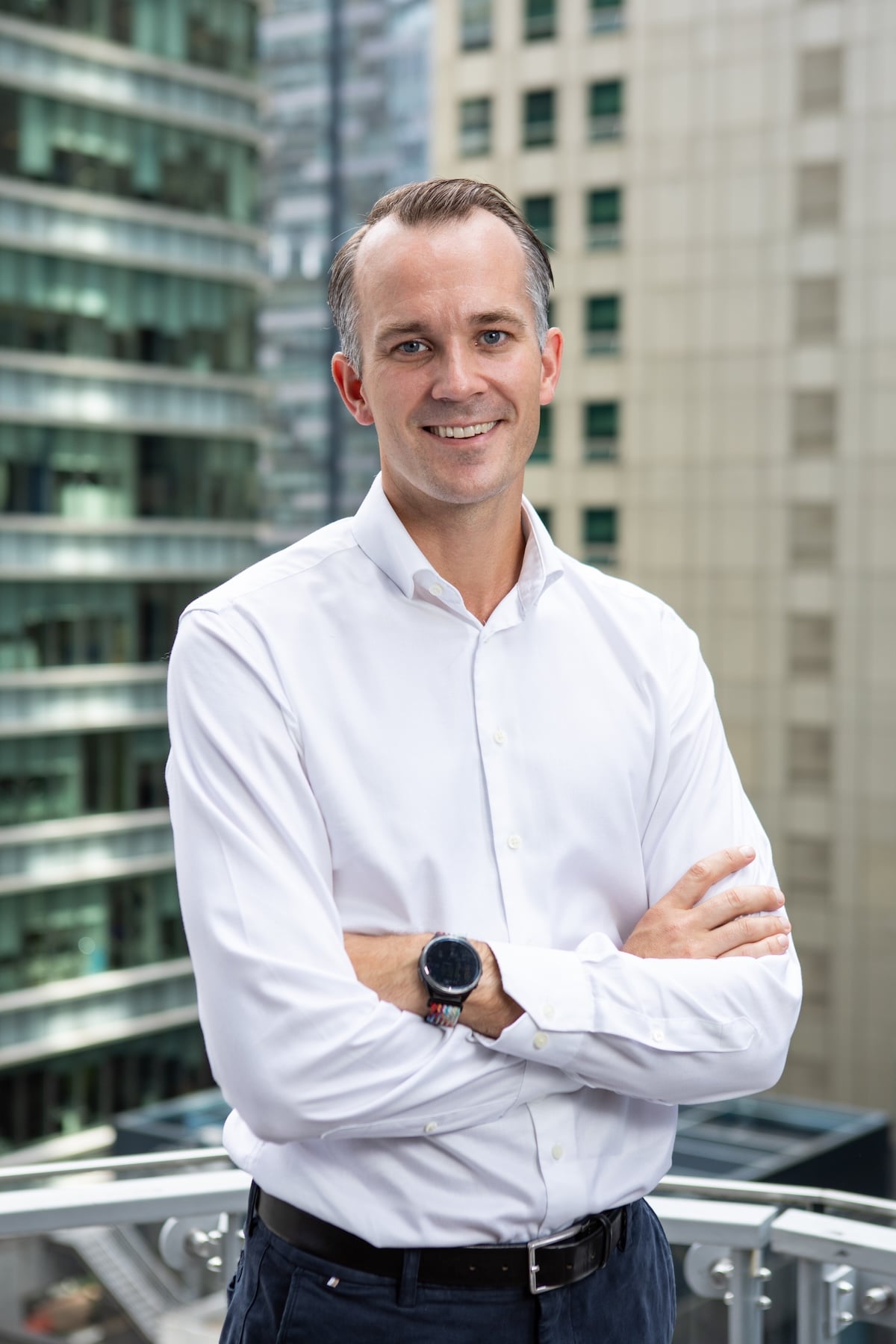
CEO Håkon Ellekjær
From technology to business model
Pelagus was established in 2023 as a 50/50 joint venture between Wilhelmsen and German engineering conglomerate thyssenkrupp, combining maritime reach with industrial manufacturing capability. Early work focused on demonstrating what advanced manufacturing – particularly additive – could deliver in a maritime context.
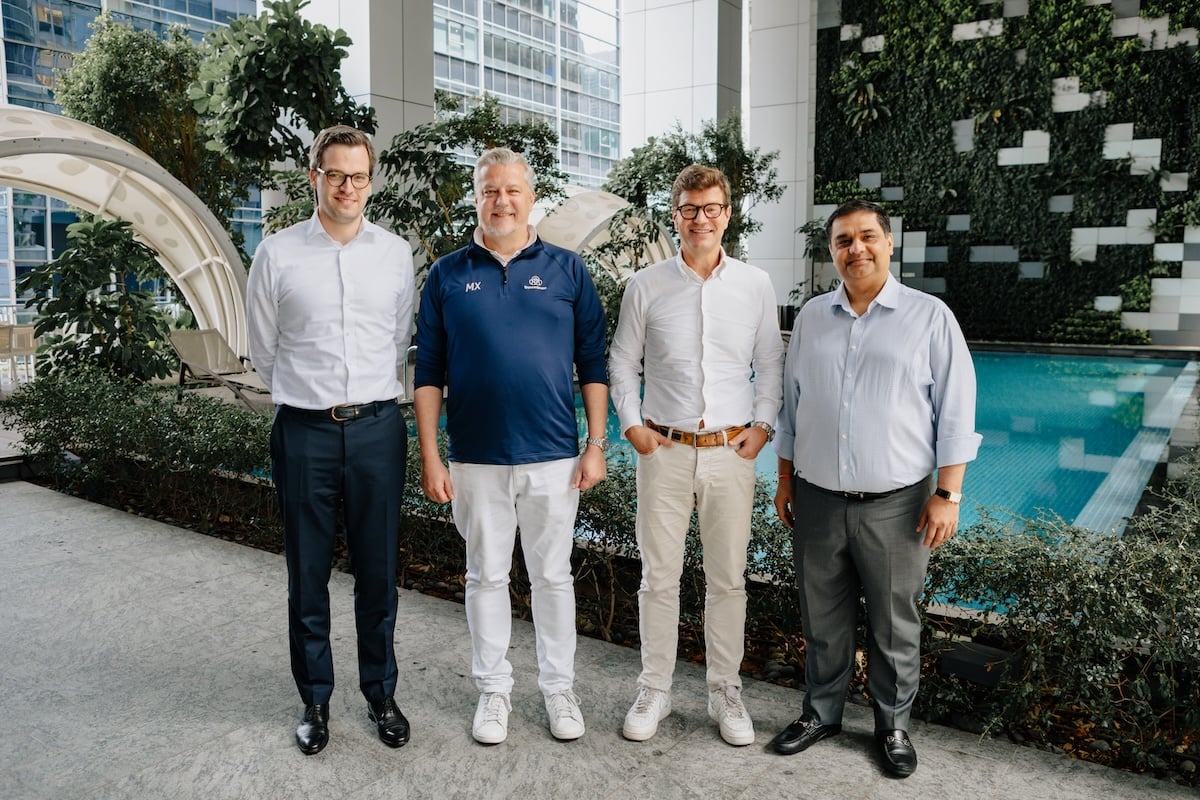
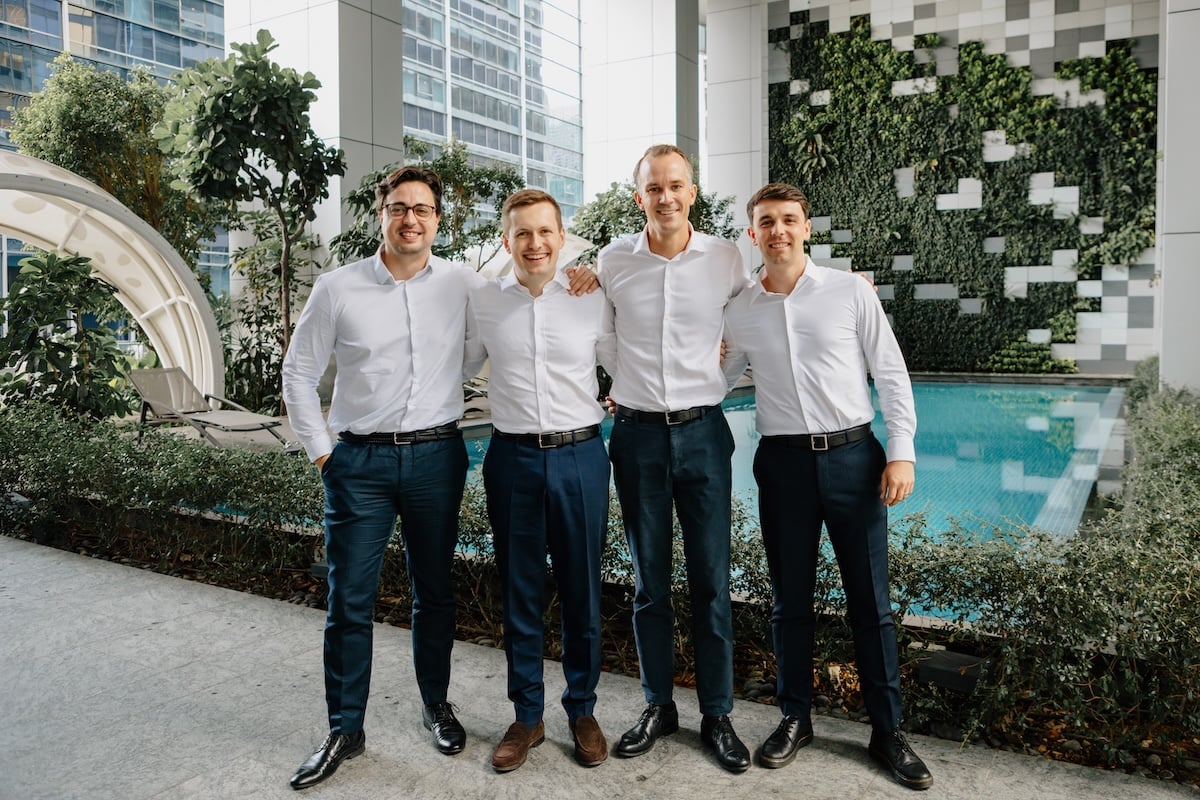
Pelagus Board of Directors (left to right) Christian Pixberg, Patrick Marous, Kjell André Engen and Nakul Malhotra.
That phase built credibility, established OEM relationships and proved that parts could be redesigned and produced using on-demand manufacturing methods, driven by a continuous focus on learning and understanding of customers' pain points.
Much of the early demand came from asset owners, who were making requests for one-off parts that were no longer in production by the OEMs. Without fast replacement of these parts, many vessels and assets risked unnecessary operational downtime.
"What we saw was that a lot of the initial engagement sat on the asset owners' side," Ellekjær says. "That initial engagement was valuable and it made us aware of the gap in the industry. End-users have an increasing need for genuine legacy parts, but many OEMs might not be serving those legacy portfolios."
The refinement that followed was about sharpening focus: moving away from one-off end-user requests towards parts with clear, recurring demand – particularly where OEMs face structural constraints in continuing production.
In practice, that meant turning to the legacy portfolio.
Focusing where the pain is real
As vessels age, OEMs reduce support for older equipment. Production volumes fall, tooling is retired and capacity shifts to newer systems. In some cases, OEMs no longer exist.
The result is a growing gap between what operators need and what OEMs can supply. "Once equipment reaches 15 to 20 years, availability becomes a real issue," Ellekjær says. "And that's exactly where the grey market starts to step in."
These are often straightforward components – pump housings, impellers, valves – but they become critical when unavailable.
The issue is not just technical but economic. Maintaining production for low-volume legacy parts is difficult to justify, particularly when it competes with newer equipment.
Pelagus positions itself in that gap but works only with the genuine maker who owns the IP. "If they say no, we say no. We're not there to compete with them – we're there to enable them."
That allows OEMs to continue serving installed bases without maintaining production lines or holding stock.
It also shifts the Pelagus operating model towards repeatability, where value is built through ongoing demand rather than one-off transactions.
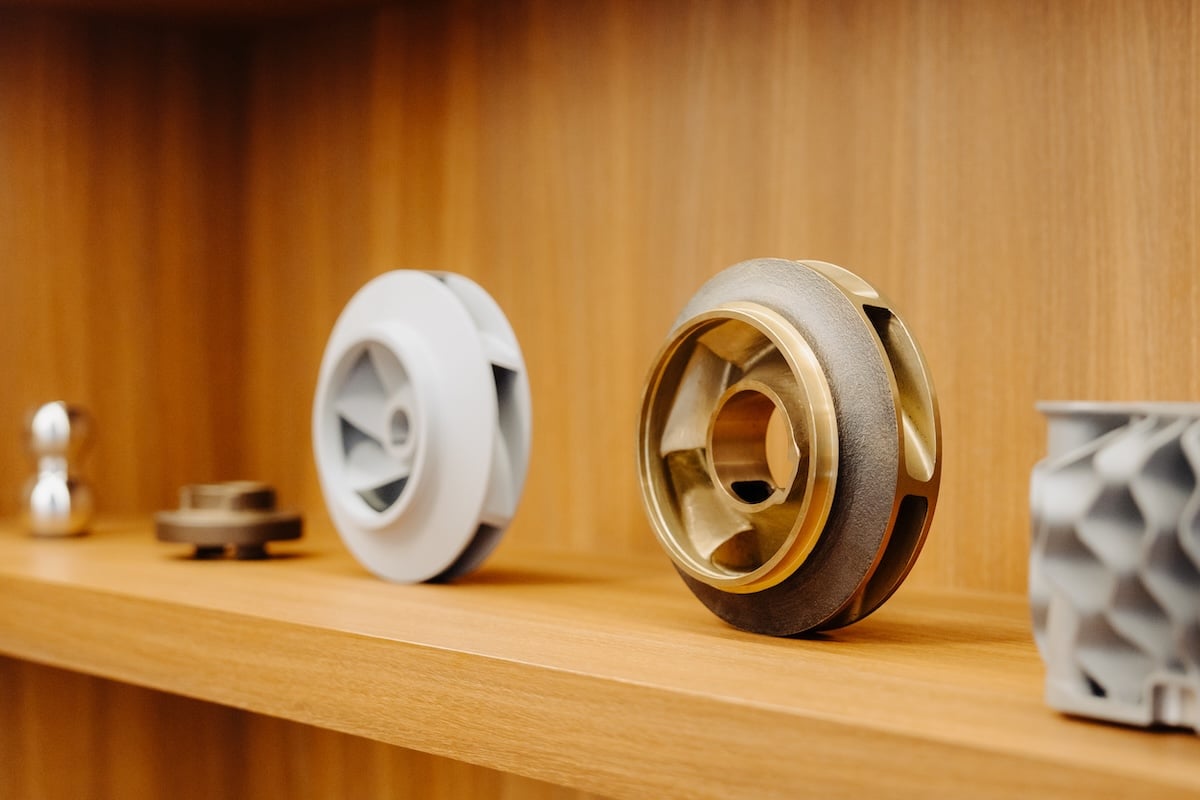
Selection of additively manufactured parts in the Pelagus showroom, Singapore
From physical stock to digital inventory
The model is straightforward in principle, but requires crucial know-how to execute at scale.
Pelagus works with OEMs to create production-ready digital definitions of parts – capturing geometry, materials, manufacturing methods, post-processing, testing and certification requirements.
This "digital recipe" becomes a reusable asset, enabling quick repeat orders with engineering input that has been verified.
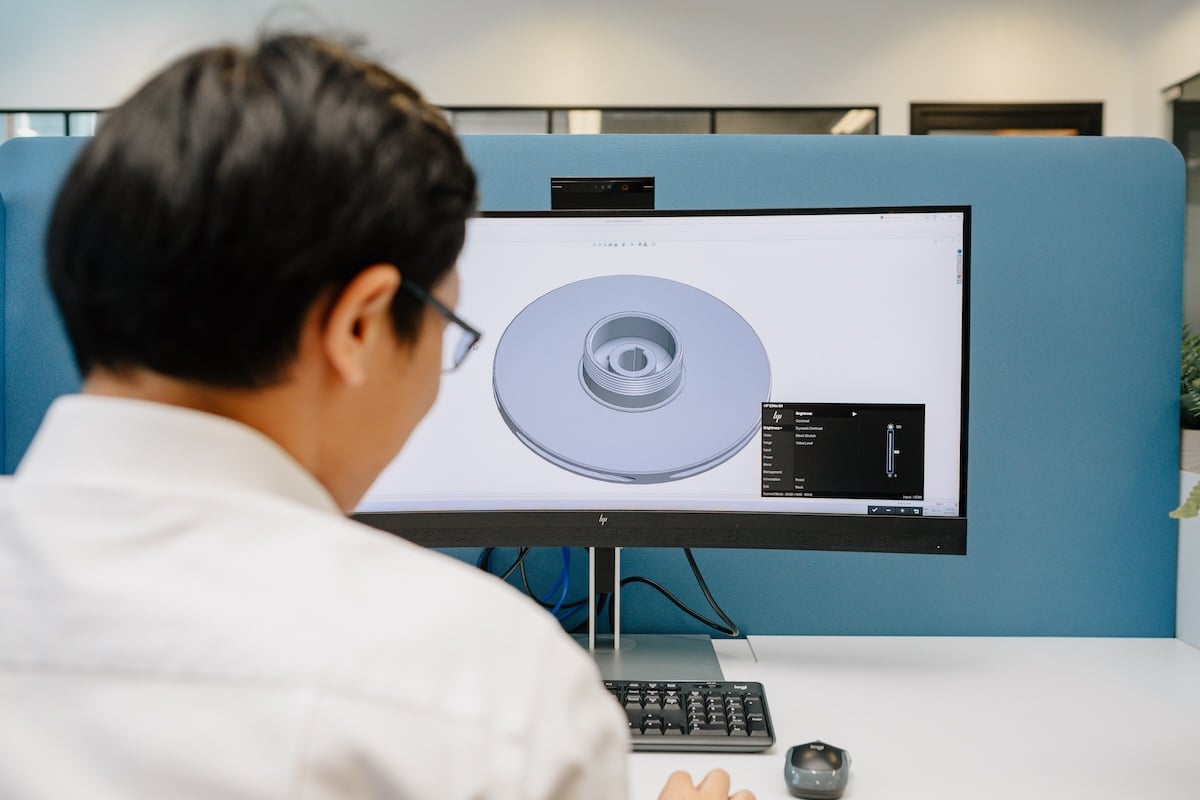
Pelagus Additive Manufacturing Engineer, See Lin Cheung, prepares a digital file for production.
When a part is required, production is routed through a global network of qualified partners. "If a vessel needs a part in Brazil, we can produce it in Brazil. If it's needed in Australia, we produce it there," Ellekjær says.
In effect, Pelagus acts as a local manufacturing partner to OEMs, extending their production footprint without requiring investment in new facilities.
The network spans multiple regions and technologies, from CNC machining and casting to advanced additive processes. Pelagus works with around 100 production partners globally.
Importantly, it manages the process end-to-end – including quality, certification and warranty – rather than acting as a broker.
That distinction underpins the decision to drop the "3D" from its name.
New brand
"The moment you say '3D', people focus on the technology," Ellekjær says. "But that's not the only value we bring."
What began as an additive manufacturing venture has evolved into a broader model focused on availability, speed and reliability – typically delivering parts within four weeks, allowing OEMs to respond faster without relying on centralised production.
Credibility built on execution
For Pelagus, credibility has been built through delivery rather than messaging.
"OEMs don't choose us because of a platform," Ellekjær says. "They choose us because of competence."
Rather than investing in production facilities, Pelagus has built a distributed network and assembled a team with deep engineering and quality expertise from sectors such as aerospace, defence and oil and gas.
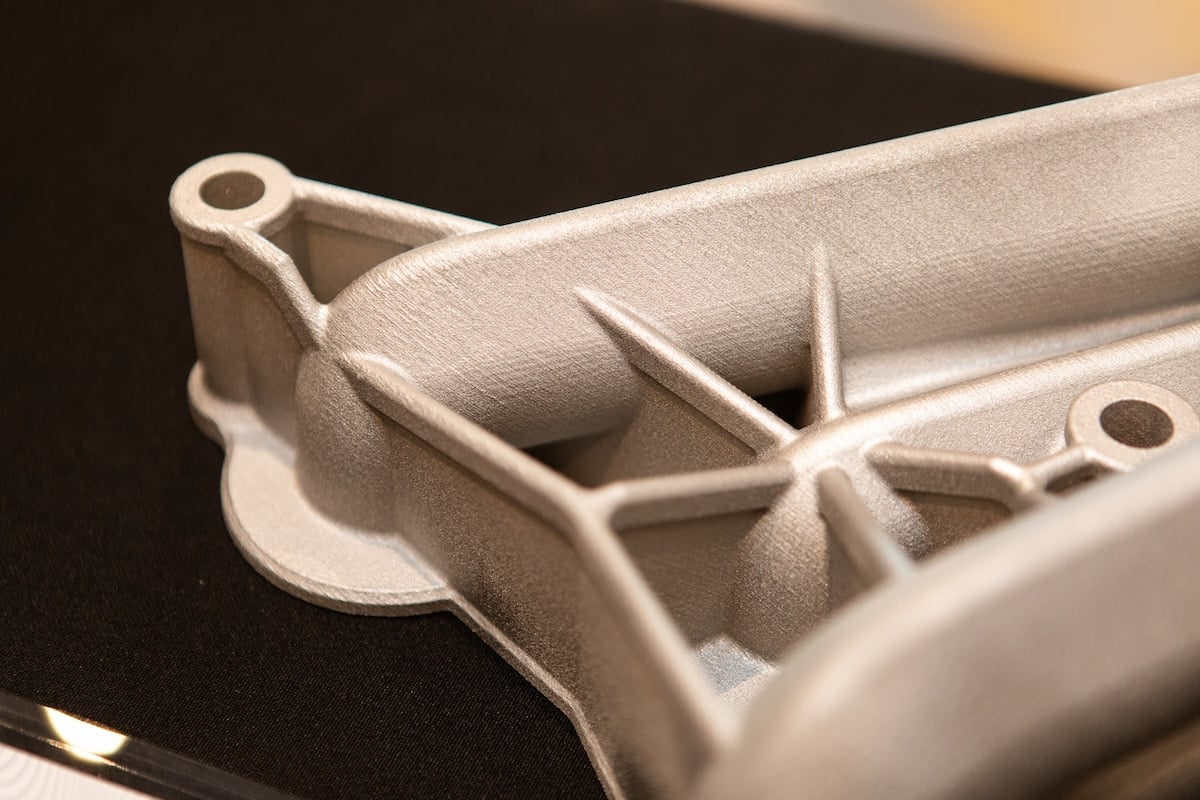
Close-up of an additively manufactured return oil standpipe, produced by Pelagus.
Engagements typically begin with a proof of concept: a small batch of parts produced for OEM validation before scaling.
Demand signals increasingly come not only from OEMs but from end-users facing acute lead-time challenges, who push for Pelagus involvement – underlining a customer-centred model shaped by real operational needs.
Quality and IP protection are non-negotiable, supported by ISO-certified systems and close collaboration with classification societies. "Trust is everything," Ellekjær says.
A distributed model, inside and out
Pelagus mirrors the model it promotes. Headquartered in Singapore, it operates with a distributed team across key hubs including Japan, Korea, Brazil and Europe.
This structure is driven by access to expertise and proximity to customers.
Since launching, Pelagus has grown from around 10 people to approximately 25, supported by external development teams.
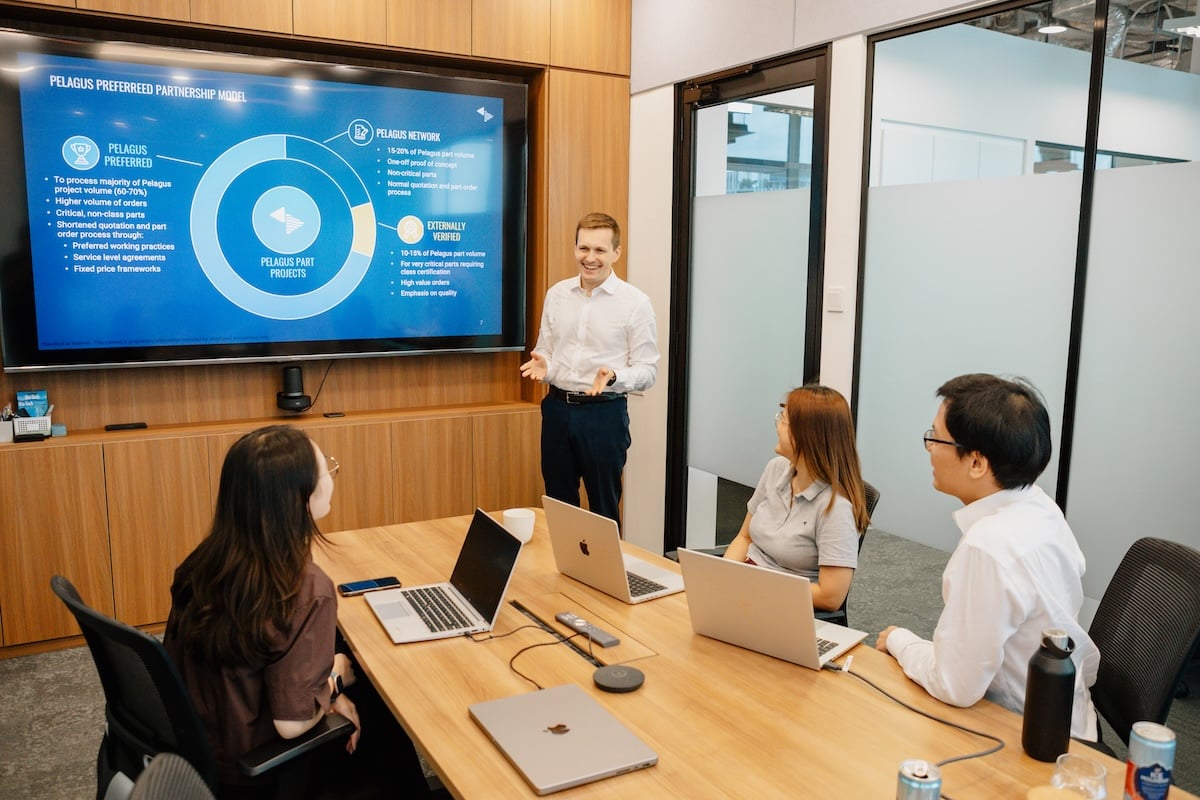
Team discussion led by Henry Appleton, COO.
The model is designed to scale operationally. Once parts are digitised, much of the workflow can be automated. "The model allows us to scale without adding people at the same rate," Ellekjær notes.
Positioning for what comes next
The immediate focus is building depth with OEMs – expanding qualified parts, increasing repeat volumes and embedding the model into aftermarket strategies while strengthening credibility following a year of strategic refinement.
At the same time, an aging fleet continues to increase pressure on spare parts availability, while geopolitical uncertainty is exposing supply chain fragility.
"Supply chain resilience is becoming a much bigger topic," Ellekjær says.
Newer OEMs are also beginning to consider digital inventory and on-demand manufacturing from the outset.
Over time, that points to a broader shift. As more parts are digitised and OEM adoption grows, the balance between physical and digital inventory will change – moving on-demand manufacturing from targeted solution to standard approach.
Pelagus operates as an independent company with its own commercial objectives, backed by owners providing market access, scale and industrial capability, while also aligning with Wilhelmsen's broader ambition to help shape the maritime industry in the interests of both OEMs and end-users.
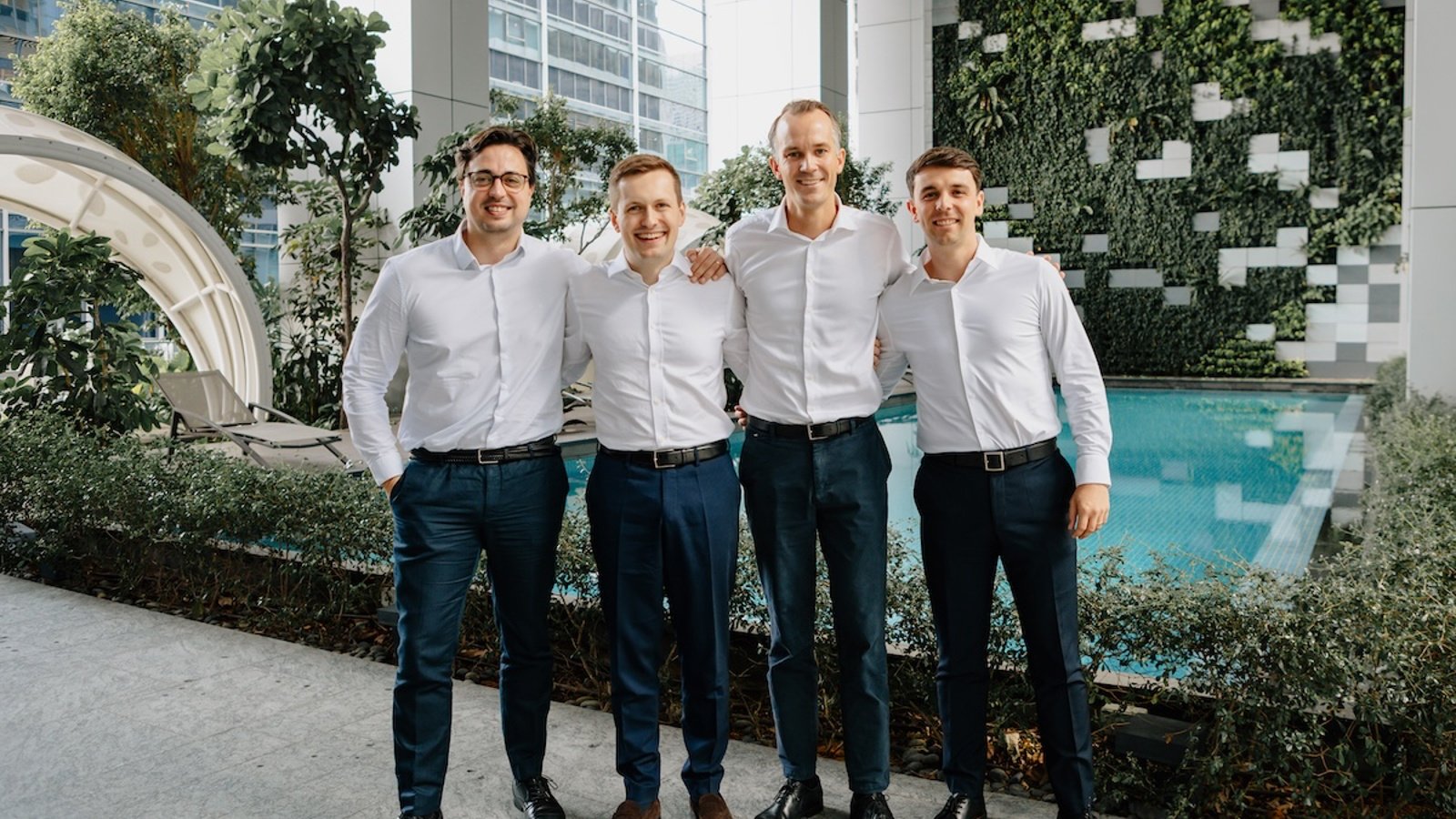
Pelagus Management Team: Bjørn Madsen CCO, Henry Appleton COO, Haakon Ellekjaer CEO
The emphasis now is on where it delivers measurable value – and how that value can be repeated at scale. "We're focused on solving a problem that's been there for decades – and doing it in a way that actually works,” Ellekjær concludes.
Pelagus was interviewed by Roddy Craig